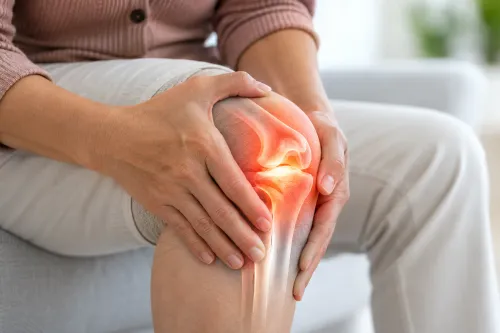
A sudden twist of the knee during a football match, an awkward landing after a jump, or a slip while changing direction can result in a serious ligament injury. Many people assume that every knee injury is a simple sprain, but damage to the anterior cruciate ligament (ACL) requires careful evaluation. Ignoring an ACL tear may lead to repeated episodes of knee instability and increase the risk of long-term joint damage.
For active individuals in Thane and across Maharashtra, understanding the warning signs of an ACL injury can help ensure timely diagnosis and appropriate ACL Tear Treatment.
What Is the ACL and Why Is It Important?
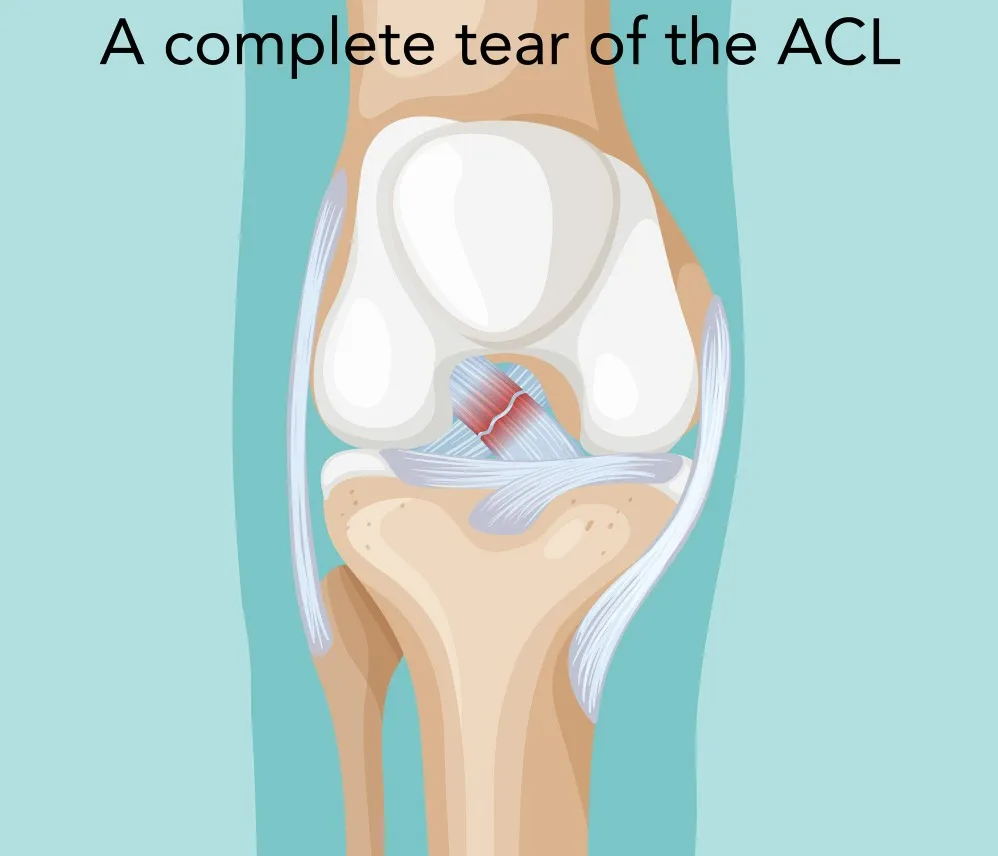
The anterior cruciate ligament, commonly known as the ACL, is one of the four major ligaments that stabilise the knee joint. It connects the thigh bone to the shin bone and prevents excessive forward movement and rotation of the knee.
The ACL plays a vital role in activities that involve running, pivoting, jumping, and sudden changes in direction. When this ligament tears, the knee loses stability, making physical activities difficult and increasing the risk of further injury.
How Does an ACL Tear Happen?
An ACL injury often occurs during sports, but it can also happen during everyday accidents.
Common causes include
- Sudden twisting of the knee
- Landing awkwardly after a jump
- Rapid change in direction while running
- Direct impact during contact sports
- Road traffic accidents
- Slips and falls
Sports such as football, basketball, badminton, volleyball, and cricket frequently involve movements that place stress on the ACL.
Signs That May Indicate an ACL Tear
Some people experience immediate symptoms, while others notice increasing instability over the following days.
Common symptoms include
- A popping sensation at the time of injury
- Sudden knee pain
- Rapid swelling within a few hours
- Difficulty bearing weight
- Feeling that the knee may give way
- Reduced range of motion
- Pain while walking or climbing stairs
These symptoms should not be ignored, especially if they occur after a twisting injury.
Why Rest Alone May Not Be Enough
While rest helps reduce pain and swelling, it cannot repair a completely torn ACL.
Continuing sports or physically demanding activities without proper treatment may result in
- Repeated knee instability
- Meniscus injuries
- Cartilage damage
- Early wear of the knee joint
- Reduced athletic performance
Early assessment allows the severity of the injury to be determined and helps guide appropriate treatment.
How Is an ACL Tear Diagnosed?
An orthopaedic specialist performs a detailed clinical examination to evaluate knee stability.
The assessment may include
Physical Examination
Specific ligament stability tests help determine whether the ACL has been injured.
X-rays
Although X-rays do not show ligament tears, they help rule out fractures or other bone injuries.
MRI Scan
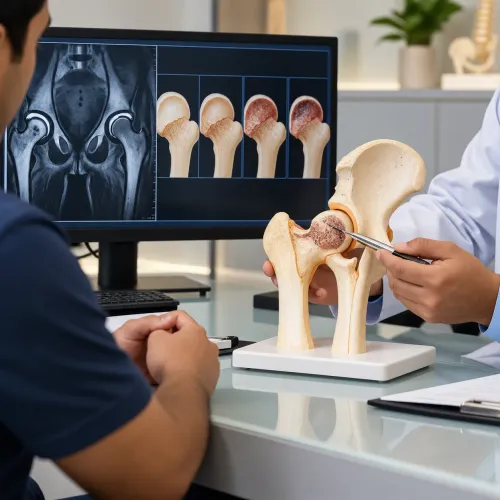
MRI is the preferred investigation for confirming an ACL tear and assessing associated injuries such as meniscus tears, cartilage damage, or other ligament injuries.
ACL Tear Treatment Options
Treatment depends on several factors, including the patient's age, activity level, occupation, and the extent of the injury.
Initial Care
During the early phase, reducing swelling, controlling pain, and protecting the knee are important priorities.
Physiotherapy
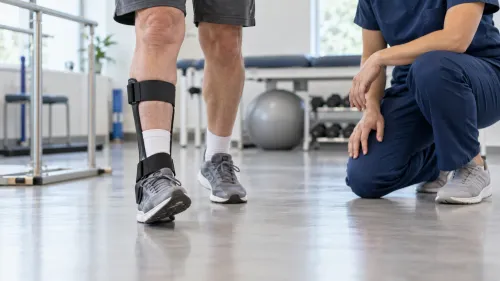
Structured rehabilitation strengthens the muscles surrounding the knee, improves balance, and restores movement. Some individuals with partial tears and lower activity demands may recover well with comprehensive physiotherapy.
Knee Bracing
A brace may provide additional support during rehabilitation or while returning to selected daily activities.
ACL Reconstruction Surgery
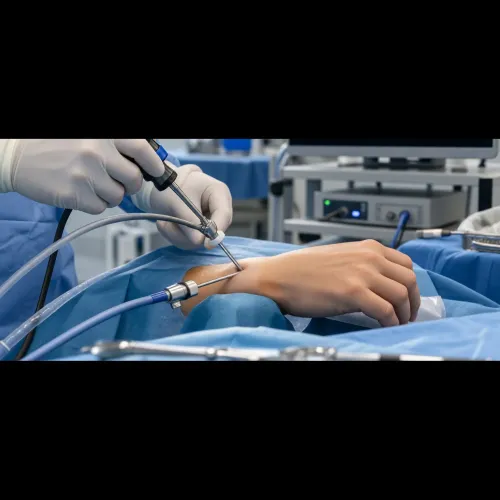
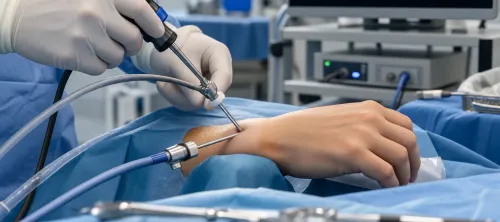
For active individuals, athletes, or patients experiencing significant instability, ACL reconstruction is often recommended. The damaged ligament is replaced using a tendon graft to restore knee stability and function.
Post-Surgical Rehabilitation
Recovery does not end with surgery. A carefully planned physiotherapy programme is essential for rebuilding strength, restoring flexibility, and safely returning to sports or physically demanding work.
Who Is More Likely to Need Surgery?
Surgical treatment may be considered when
- The ACL is completely torn.
- The knee repeatedly gives way.
- The patient wishes to return to sports involving pivoting movements.
- Multiple knee structures have been injured.
- Conservative treatment has not restored stability.
The decision is made after evaluating individual goals, occupation, and lifestyle.
When Should You Consult an Orthopaedic Specialist?
Seek medical attention if
- You heard a pop during the injury.
- Knee swelling developed rapidly.
- Walking feels unstable.
- The knee repeatedly buckles.
- Pain and swelling persist despite rest.
- You are unable to return to normal activities.
Early diagnosis allows treatment to begin before additional damage occurs inside the knee joint.
People seeking ACL Tear Treatment in Thane can benefit from a detailed evaluation that identifies the extent of ligament injury and recommends the most appropriate management plan. At About The Bone and Joints, Advance Ortho Care, Dr. Darshan Shingane provides comprehensive care for sports injuries, combining advanced diagnostic techniques, personalised rehabilitation, and surgical expertise when required. Timely treatment can help patients regain knee stability, improve confidence in movement, and safely return to work, sports, and everyday life.
Keywords