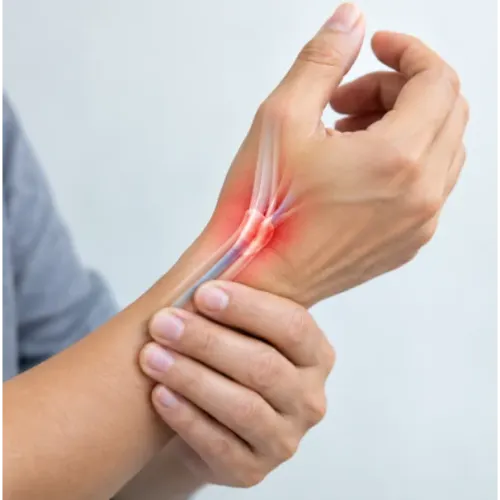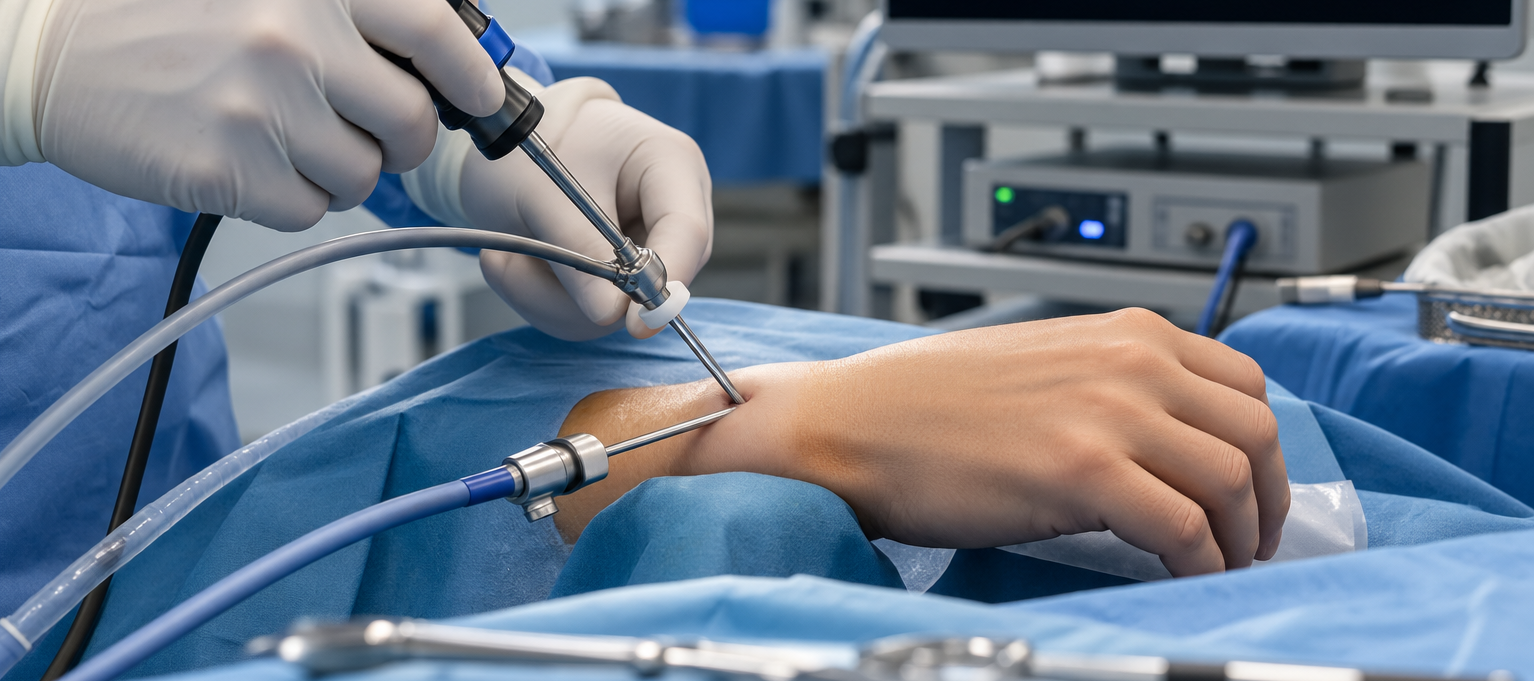
The wrist contains several small bones, ligaments, cartilage surfaces, stabilising structures packed into a compact area. This complexity can make some wrist problems difficult to diagnose through examination alone. Wrist Arthroscopy is a minimally invasive technique that allows an orthopaedic surgeon to inspect structures inside the wrist through small portals.
It may also permit treatment of selected conditions during the same procedure.
For patients in Thane, Maharashtra, wrist arthroscopy is generally considered after careful clinical assessment plus appropriate imaging rather than as the first investigation for routine wrist pain.
When Wrist Arthroscopy May Be Discussed
Persistent wrist symptoms can result from ligament injuries, cartilage problems, triangular fibrocartilage complex pathology, loose fragments, selected fractures, inflammatory changes.
A surgeon may consider arthroscopy when symptoms continue despite appropriate conservative care plus the suspected condition is suitable for arthroscopic assessment.
Common concerns include:
- Persistent wrist pain
- Clicking
- Mechanical catching
- Reduced motion
- Pain following injury
- Difficulty gripping
- Symptoms during weight-bearing through the hand
The procedure is not necessary for every wrist complaint.
Why Diagnosis Can Be Challenging
Wrist pain can originate from many structures located close together.
X-rays can identify fractures, alignment changes, arthritis. MRI can provide information about soft tissues. Clinical tests help narrow the diagnosis.
Arthroscopy offers direct visualisation of internal structures in selected situations.
The decision to use it depends on whether the findings are likely to change treatment.
What Happens During the Procedure
Small incisions are created around the wrist. A narrow camera is introduced into the joint, allowing internal structures to be viewed on a monitor.
Additional small instruments can be inserted when treatment is required.
Depending on the diagnosis, arthroscopy may help assess plus treat selected ligament injuries, cartilage lesions, TFCC pathology, loose bodies.
The exact procedure differs according to the condition identified.
Benefits Need to Be Considered Alongside Limitations
Small portals generally mean less soft-tissue disruption than a large open approach. However, arthroscopy remains surgery.
Possible complications can include infection, nerve irritation, stiffness, persistent symptoms, injury to nearby structures.
The expected benefit depends on having a clearly defined indication.
Preparing for a Specialist Consultation
Patients considering Wrist Arthroscopy can make the consultation more useful by bringing previous imaging plus medical records.
It helps to explain:
- How the injury occurred
- Exact location of pain
- Movements that trigger symptoms
- Duration of symptoms
- Previous treatment
- Previous injections
- Occupational demands
- Sports requirements
These details help connect imaging abnormalities with real symptoms.
Selecting the Right Treatment Pathway
At About The Bone and Joints - Advance Ortho Care in Thane, assessment of persistent wrist problems can determine whether continued conservative care, further imaging, arthroscopic evaluation, another surgical approach is appropriate.
For patients from Thane plus nearby Maharashtra areas, readiness for Wrist Arthroscopy should be based on diagnosis rather than pain duration alone.
A patient who understands the suspected pathology, purpose of surgery, expected rehabilitation, possible limitations is better prepared to make an informed decision. Wrist arthroscopy can be a valuable diagnostic plus therapeutic technique when used for suitable conditions after a complete wrist evaluation.
Keywords