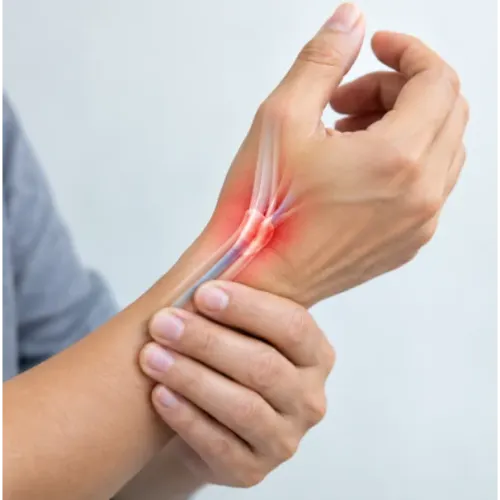
Shoulder pain can interfere with sleeping, dressing, lifting, exercise, overhead work. Many shoulder conditions improve through medication, activity modification, physiotherapy, injections where appropriate. When symptoms remain significant because of a structural problem, Shoulder Arthroscopy may be considered.
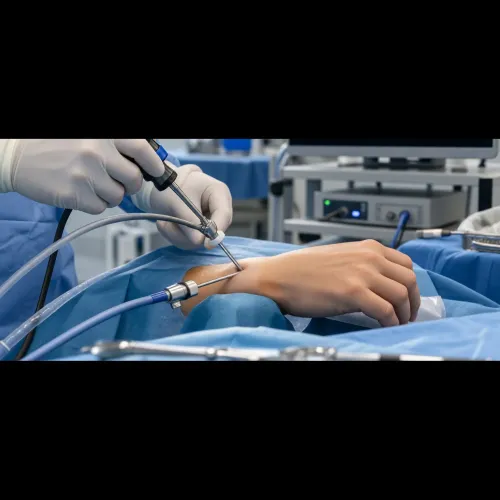
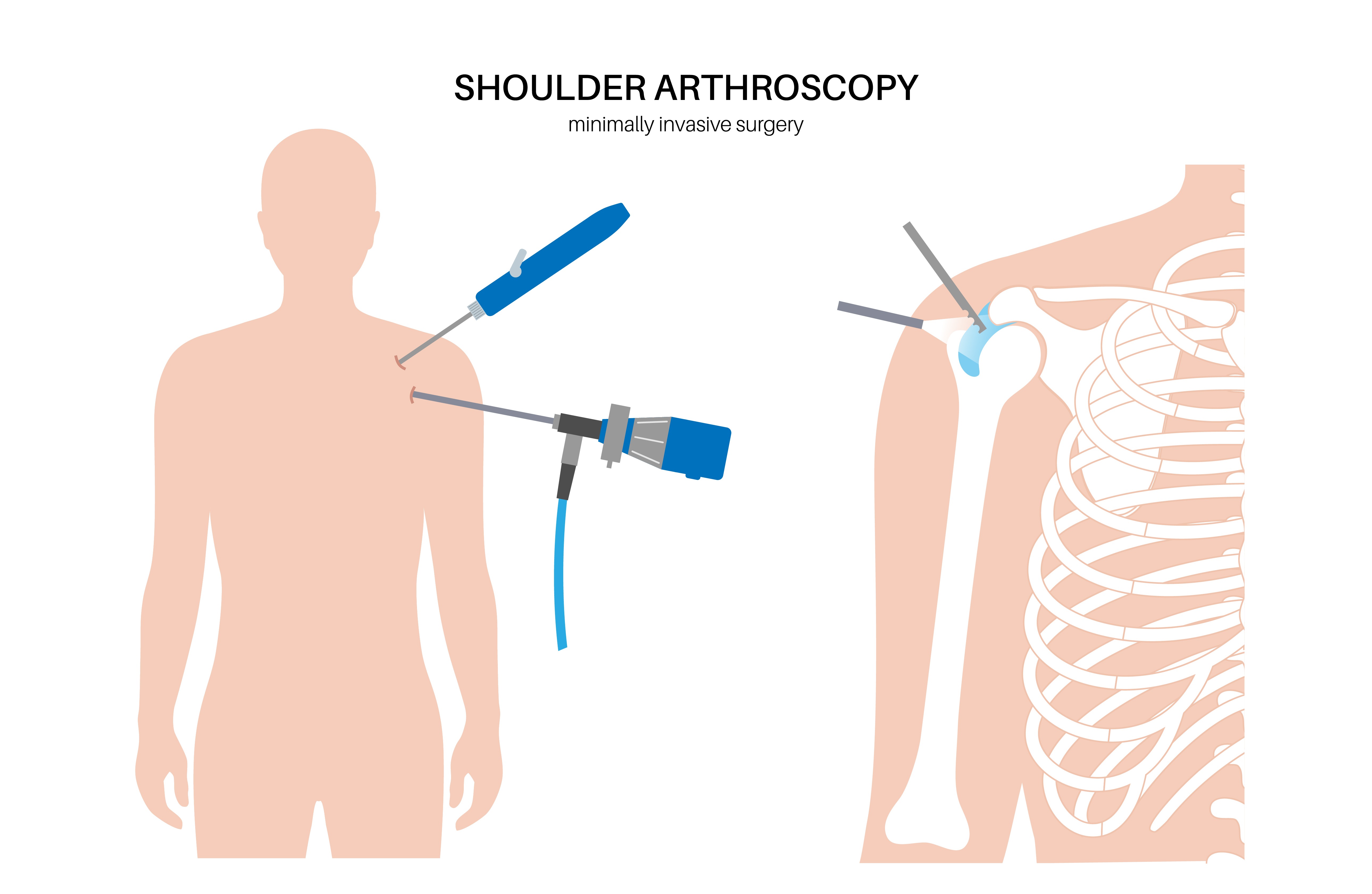
This minimally invasive surgical technique allows the surgeon to inspect the shoulder joint using a small camera introduced through small incisions.
For patients in Thane, Maharashtra, the important question is not simply whether arthroscopy is available. The key issue is whether the diagnosed shoulder condition is likely to benefit from it.
Conditions Commonly Evaluated
Shoulder arthroscopy may be used for selected conditions involving structures within plus around the joint.
These can include:
- Rotator cuff tears
- Labral injuries
- Recurrent instability
- Selected impingement-related problems
- Loose bodies
- Certain cartilage lesions
The diagnosis should be supported by clinical examination plus suitable imaging.
Signs That Specialist Assessment May Be Useful
Occasional mild shoulder discomfort does not automatically indicate surgery.
Evaluation becomes more relevant when symptoms include:
- Persistent pain
- Night pain
- Recurrent shoulder instability
- Significant weakness
- Difficulty lifting the arm
- Loss of function
- Symptoms after a substantial injury
- Poor improvement despite appropriate rehabilitation
Some injuries deserve earlier assessment because delaying treatment may influence tissue quality plus repair options.
What Happens Before Surgery
A shoulder specialist typically reviews symptom history, mechanism of injury, movement, strength, stability.
X-rays can identify bone-related abnormalities. MRI can help evaluate tendons, labrum, cartilage, other soft tissues.
Treatment decisions should combine imaging with symptoms. An abnormal scan does not automatically mean surgery is required.
What Arthroscopy Can Achieve
During Shoulder Arthroscopy, the camera provides a detailed view of internal structures.
Depending on the diagnosis, surgical treatment may involve repair of damaged tissue, removal of selected loose material, management of instability-related pathology.
The exact procedure determines the recovery plan.
A simple arthroscopic procedure can have a different rehabilitation timeline from rotator cuff repair.
Questions to Ask Before Proceeding
Patients preparing for surgery may find it useful to clarify:
- What structure is damaged?
- Is surgery necessary at this stage?
- What happens without surgery?
- What procedure is planned?
- How long will a sling be required?
- When does physiotherapy begin?
- When can work resume?
- When can driving resume?
- What restrictions apply during healing?
Clear expectations make postoperative rehabilitation easier to understand.
Provider Selection Should Focus on Clinical Fit
At About The Bone and Joints - Advance Ortho Care, Thane, patients with persistent shoulder symptoms can undergo evaluation to determine whether arthroscopic management fits the diagnosed condition.
People across Thane plus Maharashtra seeking Shoulder Arthroscopy should choose care based on accurate diagnosis, surgeon experience with the relevant shoulder pathology, rehabilitation planning, clear communication about expected outcomes.
The smallest incision is not necessarily the most important consideration. The purpose of surgery, quality of repair, protection of healing tissue, structured rehabilitation all contribute to recovery.
Shoulder Arthroscopy can be useful for appropriately selected structural problems, but successful treatment starts with establishing exactly what is causing the shoulder symptoms.
Keywords