Neck pain has become increasingly common among people who spend long hours working on computers, using smartphones, or travelling frequently. While occasional stiffness may improve with rest, persistent neck pain accompanied by reduced movement or tingling in the arms should not be ignored. One of the most common reasons behind these symptoms is cervical spondylosis.
Cervical spondylosis is an age-related condition that affects the bones, discs, and joints of the neck. Although it is more common after the age of 40, younger adults with poor posture or repetitive neck strain can also develop symptoms. Understanding the condition and seeking timely Cervical Spondylosis Treatment can help relieve pain, improve mobility, and reduce the risk of long-term complications.
What Is Cervical Spondylosis?
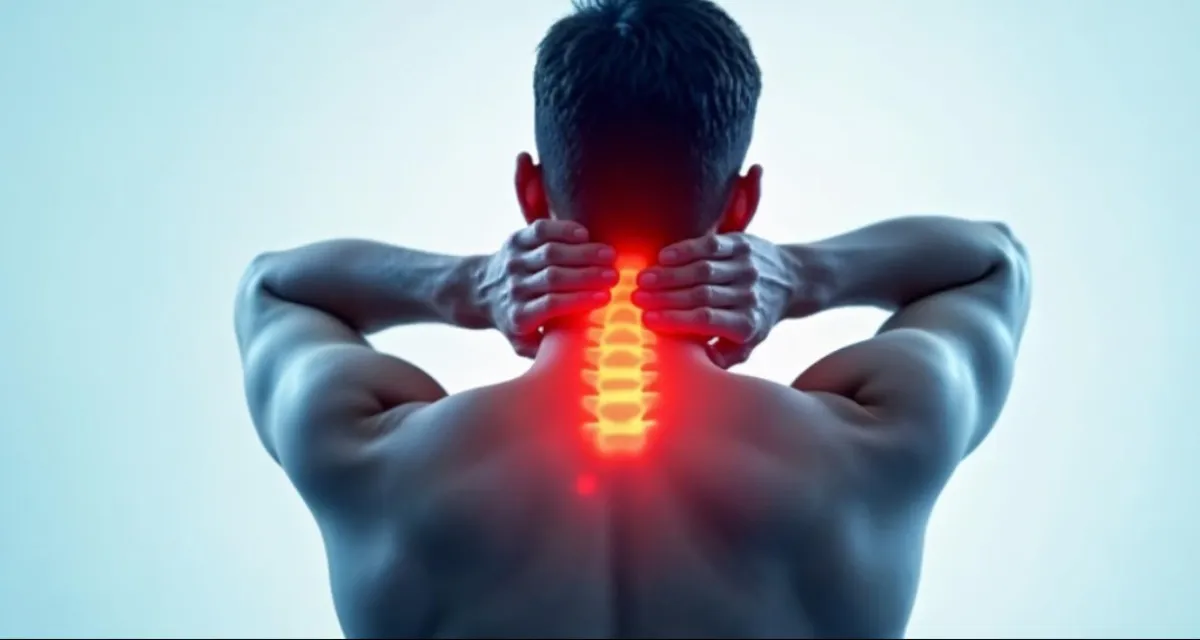
The cervical spine consists of seven vertebrae that support the head and protect the spinal cord. Between these vertebrae are discs that act as cushions and allow smooth neck movement.
Over time, these discs gradually lose water content and elasticity. The joints may also undergo wear and tear, and small bone spurs can develop. These natural changes are known as cervical spondylosis.
While many people have age-related changes visible on scans without experiencing symptoms, others develop pain, stiffness, or nerve-related problems when the surrounding structures become irritated or compressed.
Common Symptoms to Watch For
The symptoms of cervical spondylosis vary depending on the severity of degeneration and whether nearby nerves are affected.
Common signs include
- Persistent neck pain or stiffness
- Pain that spreads to the shoulders or upper back
- Headaches starting from the base of the skull
- Difficulty turning the neck
- Tingling or numbness in the arms or hands
- Weakness in the shoulders or upper limbs
- Muscle tightness around the neck
- Pain that worsens after prolonged desk work
Some individuals notice symptoms after waking up, while others experience discomfort after spending several hours looking down at a phone or computer.
What Increases the Risk of Cervical Spondylosis?
Although ageing is the primary factor, several lifestyle habits can accelerate wear and tear.
Poor Posture
Looking down at mobile devices for extended periods or sitting with a rounded back places continuous stress on the cervical spine.
Desk-Based Occupations
Professionals who spend several hours at a computer without proper ergonomic support often develop repetitive strain on the neck muscles and joints.
Previous Neck Injury
A history of accidents, sports injuries, or whiplash can increase the likelihood of degenerative changes later in life.
Repetitive Neck Movements
Jobs involving frequent neck rotation or overhead work may contribute to joint stress.
Lack of Physical Activity
Weak neck, shoulder, and upper back muscles provide less support to the cervical spine, increasing strain during daily activities.
How Is Cervical Spondylosis Diagnosed?
An orthopaedic specialist begins with a detailed medical history and physical examination.
The assessment may include
- Evaluation of neck movement
- Muscle strength testing
- Reflex assessment
- Examination of sensation in the arms
- Review of posture and spinal alignment
Depending on the symptoms, investigations such as X-rays, MRI, or CT scans may be recommended to assess disc degeneration, bone spurs, or nerve compression.
Cervical Spondylosis Treatment Options
Treatment depends on the severity of symptoms and their impact on daily life.
Activity and Lifestyle Modification
Simple adjustments such as improving workstation ergonomics, avoiding prolonged neck bending, and taking regular movement breaks can significantly reduce strain.
Physiotherapy
A structured physiotherapy programme focuses on improving flexibility, strengthening neck and shoulder muscles, and correcting posture. Regular exercises help restore movement and reduce stiffness.
Medication
Pain-relieving and anti-inflammatory medications may be prescribed to control symptoms during flare-ups and support rehabilitation.
Cervical Support
In selected situations, a cervical collar may be recommended for short-term use to reduce excessive neck movement and allow inflamed tissues to settle.
Image-Guided Injections
For persistent pain caused by joint inflammation or nerve irritation, injection-based therapies may be considered after careful clinical evaluation.
Surgical Treatment
Surgery is generally reserved for patients with significant nerve compression, spinal cord involvement, progressive weakness, or symptoms that do not improve despite comprehensive conservative treatment.
Daily Habits That Help Protect Your Neck
Small lifestyle changes can make a meaningful difference in reducing neck strain.
- Keep your computer screen at eye level.
- Take a short stretching break every 30 to 45 minutes.
- Avoid holding your phone between your ear and shoulder.
- Sleep with a supportive pillow that maintains a neutral neck position.
- Strengthen the neck and upper back muscles through guided exercises.
- Maintain good posture while sitting, standing, and driving.
Consistently following these habits may help reduce discomfort and improve long-term spinal health.
When Should You Seek Medical Advice?
Consult an orthopaedic specialist if
- Neck pain persists for several weeks.
- Pain spreads to the arms.
- Tingling or numbness develops in the hands.
- Arm weakness affects daily activities.
- Neck pain follows an injury.
- Symptoms continue despite rest and home care.
Prompt evaluation helps identify whether the pain is due to simple muscle strain or a condition requiring specialised care.
People looking for Cervical Spondylosis Treatment in Thane can benefit from an individualised assessment that identifies the exact source of neck pain and guides appropriate treatment. At About The Bone and Joints, Advance Ortho Care, Dr. Darshan Shingane develops personalised treatment plans that combine clinical expertise, rehabilitation, and advanced orthopaedic care when required. Early diagnosis and appropriate management often help patients regain neck mobility, reduce pain, and return to their daily activities with greater comfort.
Keywords