Discovering a soft lump on your wrist, hand, or fingers can be concerning, especially if it seems to appear without warning. In many cases, the swelling may be a ganglion cyst—a common, non-cancerous fluid-filled sac that develops near joints or tendons. While some ganglion cysts remain painless and harmless, others can interfere with movement, cause discomfort, or compress nearby nerves.
Understanding what causes these cysts, when they require treatment, and how Ganglion Cyst Removal is performed can help patients make informed decisions about their hand and wrist health.
What Is a Ganglion Cyst?
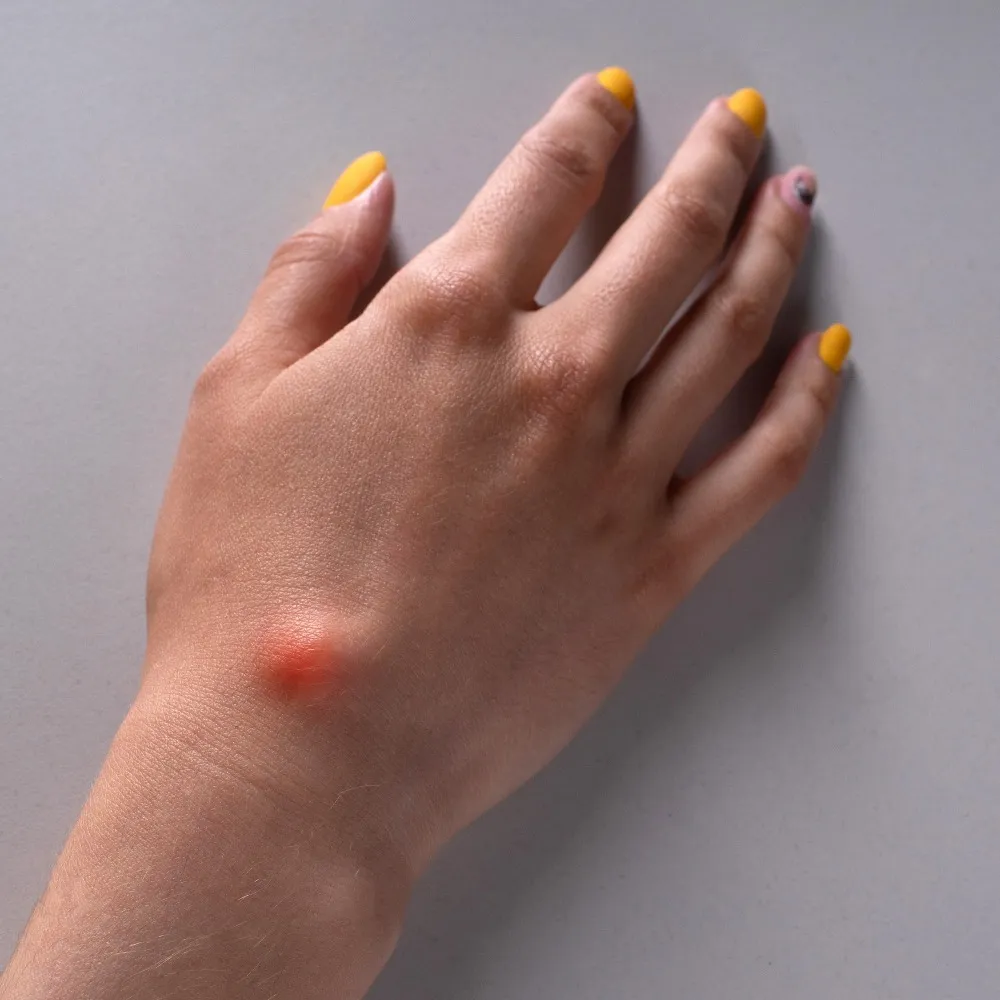
A ganglion cyst is a sac filled with a thick, jelly-like fluid that forms close to a joint capsule or tendon sheath. These cysts most commonly develop on:
- The back of the wrist
- The front of the wrist
- The base of the fingers
- The palm
- The foot or ankle
Their size can vary over time. Some remain small and barely noticeable, while others become larger with increased joint activity.
Although ganglion cysts are not cancerous, they should always be evaluated by a qualified orthopedic specialist to confirm the diagnosis and rule out other conditions.
Why Do Ganglion Cysts Develop?
The exact cause is not always clear, but several factors may contribute to their formation.
These include:
- Repetitive wrist or hand movements
- Previous joint or ligament injuries
- Degenerative changes in the joints
- Tendon irritation
- Weakness in the joint capsule
Office professionals, athletes, musicians, fitness enthusiasts, and individuals performing repetitive manual work may notice these cysts more frequently because of continuous stress on the wrist and hand joints.
In busy cities such as Thane, where computer-based work and smartphone use are common, wrist-related conditions are increasingly seen across different age groups.
Common Symptoms
Not every ganglion cyst causes pain. Many people notice only a visible swelling.
However, symptoms may include:
- A smooth, rounded lump near a joint
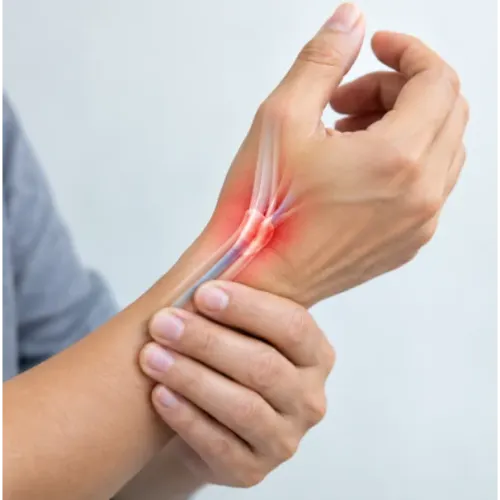
- Mild to moderate wrist discomfort
- Pain during movement
- Reduced range of motion
- Weak grip strength
- Tingling or numbness if the cyst presses on a nearby nerve
Some cysts become more prominent after physical activity and appear smaller after periods of rest.
Is Every Ganglion Cyst Treated?
No. If the cyst is painless and does not interfere with daily activities, careful observation may be sufficient.
Your doctor may recommend monitoring when:
- The cyst remains small
- There is no pain
- Hand function is unaffected
- Daily activities are not limited
Regular follow-up ensures that any changes in size or symptoms can be addressed promptly.
Non-Surgical Treatment Options
When symptoms are mild, treatment often begins conservatively.
Possible approaches include:
- Activity modification
- Wrist splinting
- Anti-inflammatory medication when appropriate
- Observation over time
- Aspiration, where fluid is removed using a needle in selected cases
Aspiration may temporarily reduce the size of the cyst, but recurrence is relatively common because the cyst wall remains in place.
When Is Ganglion Cyst Removal Recommended?
Surgical removal may be considered when the cyst causes persistent symptoms or repeatedly returns after aspiration.
Your orthopedic surgeon may recommend Ganglion Cyst Removal if:
- Pain continues despite conservative treatment
- The cyst limits wrist or finger movement
- Numbness develops due to nerve compression
- Daily activities become difficult
- The cyst repeatedly recurs
- The diagnosis requires confirmation after evaluation
The decision is based on the patient's symptoms, examination findings, imaging results, and overall functional needs rather than the size of the cyst alone.
What Happens During Surgery?
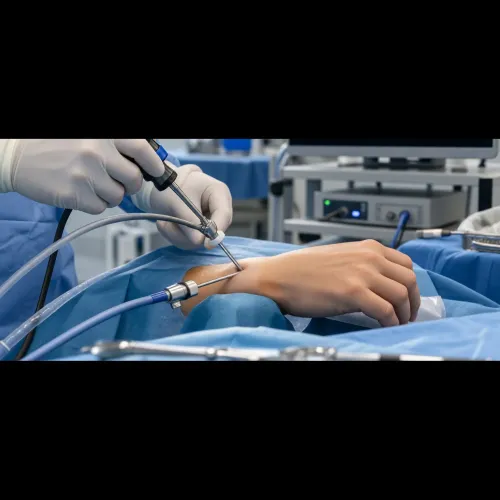
Ganglion Cyst Removal is performed to remove both the cyst and its attachment to the joint capsule or tendon sheath, reducing the likelihood of recurrence.
The procedure generally involves:
- Careful identification of the cyst.
- Removal of the cyst along with its stalk.
- Protection of nearby nerves, blood vessels, and tendons.
- Closure of the surgical incision.
Depending on the location and complexity, surgery is usually performed under local, regional, or general anaesthesia.
The surgical approach is selected based on the cyst's size, location, and relationship with surrounding structures.
Recovery After Ganglion Cyst Removal
Recovery usually progresses gradually over several weeks.
Patients are commonly advised to:
- Keep the dressing clean and dry.
- Elevate the hand during the first few days.
- Perform gentle finger movements as instructed.
- Avoid heavy lifting until healing progresses.
- Attend follow-up appointments for wound assessment.
If stiffness develops, supervised hand therapy may help restore flexibility, strength, and function.
Recovery timelines vary depending on the individual's health, occupation, and the location of the cyst.
Can Ganglion Cysts Return?
Although surgery significantly reduces the chance of recurrence, no treatment can completely eliminate the possibility.
The likelihood depends on factors such as:
- Complete removal of the cyst and its stalk
- Joint health
- Previous injuries
- Individual healing patterns
Following rehabilitation advice and gradually returning to activities can support optimal recovery.
When Should You Seek Medical Evaluation?
It is advisable to consult an orthopedic specialist if you notice:
- A new lump near the wrist or hand
- Increasing pain
- Difficulty moving the wrist or fingers
- Persistent swelling
- Tingling or numbness
- Rapid enlargement of the swelling
Early evaluation helps establish the correct diagnosis and determine whether observation, conservative management, or surgery is the most appropriate option.
For individuals in Thane experiencing persistent wrist or hand swelling, Bone and Joints, Advance Ortho Care offers comprehensive assessment and management of ganglion cysts and other hand conditions. After a detailed clinical examination and appropriate investigations, the provider recommends a personalized treatment plan that may range from monitoring and non-surgical care to Ganglion Cyst Removal when clinically indicated, with the goal of restoring comfortable hand function and everyday mobility.
Keywords