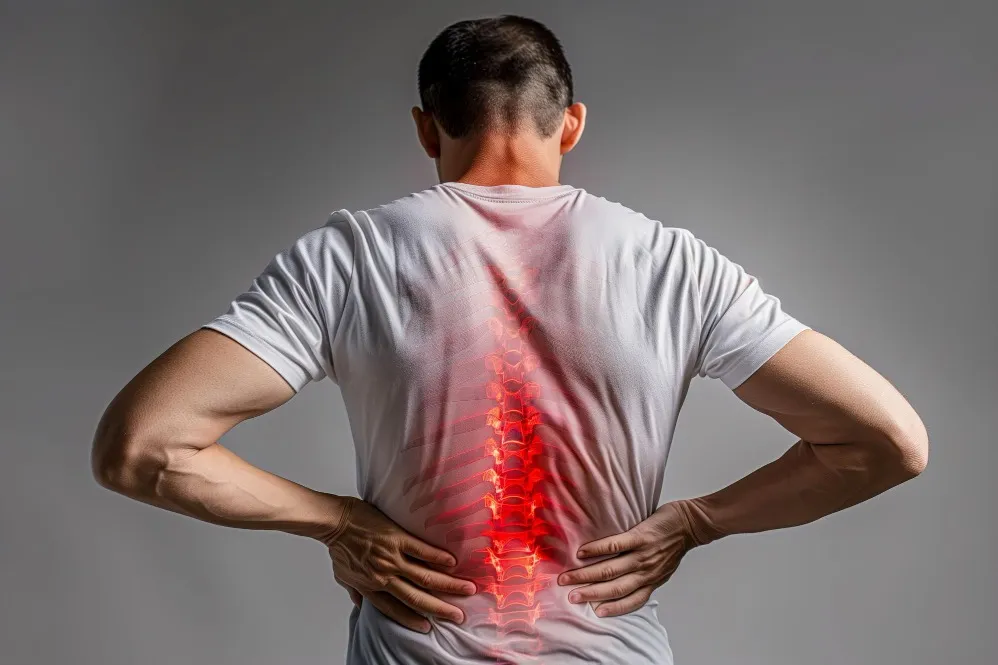
Lower back pain is one of the most common reasons people seek orthopaedic care. While occasional discomfort after lifting a heavy object or sitting for long hours may improve with rest, persistent or recurring pain can indicate an underlying spinal condition. One such condition is lumbar spondylosis, a common cause of chronic lower back pain that develops due to age-related changes in the spine.
Many adults in Thane and across Maharashtra continue living with back pain, believing it is an unavoidable part of ageing. However, timely Lumbar Spondylosis Treatment can help reduce pain, improve mobility, and enable individuals to continue their daily activities more comfortably.
What Is Lumbar Spondylosis?
The lumbar spine refers to the lower portion of the back, consisting of five vertebrae separated by cushioning discs. These discs absorb shock and allow flexibility during movement.
As people age, these discs gradually lose their elasticity and height. The joints connecting the vertebrae may also experience wear and tear, leading to stiffness, bone spur formation, and reduced spinal flexibility. These changes are collectively known as lumbar spondylosis.
Not everyone with lumbar spondylosis experiences symptoms. However, when degeneration affects nearby nerves or spinal structures, pain and movement limitations may develop.
Signs That May Indicate Lumbar Spondylosis
The symptoms vary depending on the degree of spinal degeneration.
Common symptoms include
- Persistent lower back pain
- Morning stiffness that improves with movement
- Pain after prolonged sitting or standing
- Difficulty bending or twisting
- Reduced flexibility of the lower back
- Pain that spreads to the hips or buttocks
- Tingling or numbness in one or both legs
- Muscle weakness in severe cases
Symptoms often develop gradually and may worsen during physically demanding activities or after long periods of inactivity.
Factors That Increase the Risk
Several factors contribute to the development of lumbar spondylosis.
Natural Ageing
The spine undergoes gradual wear over time, making lumbar spondylosis more common in middle-aged and older adults.
Sedentary Lifestyle
Weak core muscles provide less support to the spine, increasing pressure on the lower back.
Repetitive Heavy Lifting
Occupations involving manual labour, lifting, or bending repeatedly place additional stress on the lumbar spine.
Excess Body Weight
Additional body weight increases the load on the lower back, accelerating joint and disc degeneration.
Previous Back Injuries
Past spinal injuries can increase the likelihood of developing degenerative changes later in life.
How Is Lumbar Spondylosis Diagnosed?
An orthopaedic specialist performs a comprehensive evaluation before recommending treatment.
The assessment may include
- Review of symptoms and medical history
- Examination of posture and spinal movement
- Muscle strength and reflex testing
- Assessment of walking pattern
- Neurological examination if leg symptoms are present
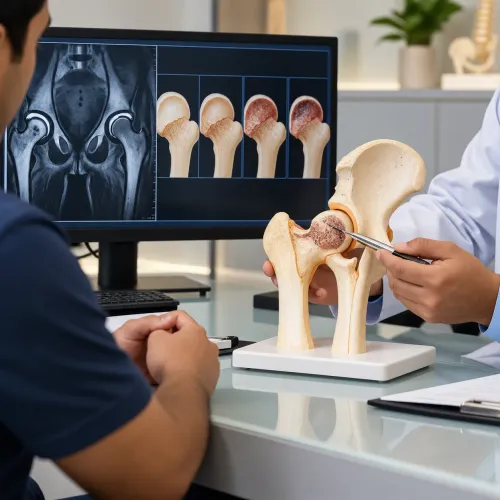
Depending on the findings, X-rays may be used to evaluate spinal alignment and degenerative changes, while MRI scans provide detailed information about discs, nerves, and soft tissues.
Lumbar Spondylosis Treatment Options
Treatment focuses on relieving pain, maintaining mobility, and improving spinal function.
Lifestyle Modification
Avoiding prolonged sitting, improving posture, and using proper lifting techniques help reduce unnecessary strain on the spine.
Physiotherapy
A personalised physiotherapy programme strengthens the core, improves flexibility, and enhances spinal stability. Guided exercises also help reduce stiffness and improve daily function.
Medication
Pain-relieving and anti-inflammatory medications may be prescribed to control symptoms during painful episodes.
Weight Management
Maintaining a healthy body weight reduces pressure on the lumbar spine and supports long-term spinal health.
Image-Guided Pain Management
For selected patients with persistent symptoms, targeted injections may be considered to reduce inflammation and improve comfort when conservative measures alone are insufficient.
Surgical Treatment
Surgery is considered only when significant nerve compression, progressive weakness, or persistent pain does not improve despite appropriate non-surgical treatment. Modern surgical techniques aim to relieve pressure on the nerves while preserving spinal stability whenever possible.
Everyday Habits That Support a Healthy Back
Simple daily practices can reduce stress on the lower back and help prevent symptom flare-ups.
- Sit with proper lumbar support.
- Take regular breaks if your work involves prolonged sitting.
- Strengthen the core muscles through guided exercises.
- Lift heavy objects using your legs rather than your back.
- Maintain a healthy weight.
- Stay physically active with low-impact activities such as walking or swimming.
These habits help improve spinal health and reduce repeated strain on the lower back.
When Should You Consult an Orthopaedic Specialist?
Professional evaluation is recommended if
- Back pain lasts longer than three weeks.
- Pain frequently returns after routine activities.
- Numbness or tingling develops in the legs.
- Walking becomes difficult.
- Back pain interferes with sleep or work.
- Home remedies fail to provide lasting relief.
Persistent lower back pain should not be considered a normal part of aging. Early diagnosis helps identify the underlying cause and allows treatment to begin before symptoms become more severe.
Individuals seeking Lumbar Spondylosis Treatment in Thane can benefit from a detailed assessment that focuses on identifying the cause of pain and restoring spinal function. At About The Bone and Joints, Advance Ortho Care, Dr. Darshan Shingane develops personalised treatment plans based on each patient's symptoms, lifestyle, and spinal condition. With timely intervention and structured rehabilitation, many patients experience improved mobility, better pain control, and greater confidence in performing their daily activities.
Keywords