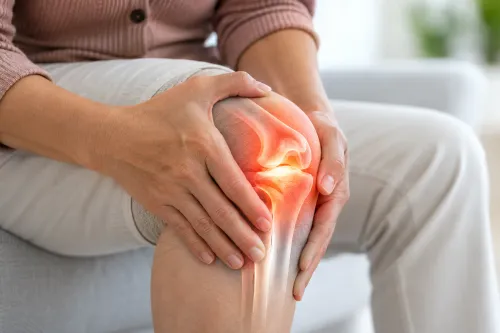
Knee pain after a sudden twist or awkward movement is often dismissed as a minor sprain. However, when the pain is accompanied by swelling, clicking, or difficulty bending the knee, the problem may be a meniscus tear. This is one of the most common knee injuries seen in both active individuals and older adults, and delaying treatment can lead to ongoing discomfort and reduced knee function.
Whether the injury occurs while playing sports, climbing stairs, or simply getting up from a squatting position, understanding the symptoms of a meniscus tear can help you seek the right care at the right time. Early Meniscus Tear Treatment can improve recovery and help protect the long-term health of the knee joint.
What Is a Meniscus Tear?
Each knee contains two menisciC-shaped pieces of cartilage that act as shock absorbers between the thigh bone and the shin bone. They help distribute body weight evenly, improve joint stability, and reduce friction during movement.
A meniscus tear occurs when this cartilage is damaged. Younger people usually experience tears due to sports injuries or sudden twisting movements, while older adults may develop tears because the cartilage naturally weakens with age.
What Causes a Meniscus Tear?
The injury can occur during both high-impact activities and routine daily movements.
Common causes include
- Twisting the knee while the foot remains planted
- Sudden changes in direction during sports
- Deep squatting while lifting heavy objects
- Falls or direct impact to the knee
- Age-related wear of the cartilage
Sports such as football, cricket, badminton, basketball, and volleyball frequently involve movements that place stress on the meniscus.
Symptoms That Suggest a Meniscus Injury
The symptoms vary depending on the size and location of the tear.
Some of the most common signs include
- Pain along the inner or outer side of the knee
- Swelling that develops within a day
- Difficulty fully bending or straightening the knee
- Clicking or popping during movement
- A sensation that the knee locks temporarily
- Knee stiffness after rest
- Feeling that the knee is unstable
These symptoms may gradually worsen if the damaged cartilage continues to catch between the bones during movement.
How Is a Meniscus Tear Different From an ACL Injury?
Although both injuries affect the knee, their symptoms and treatment can differ.
A meniscus tear often causes pain, swelling, and locking of the knee, whereas an ACL tear commonly leads to significant instability and a feeling that the knee may give way.
Many patients experience injuries to both structures at the same time, making a thorough clinical assessment essential for accurate diagnosis.
How Is a Meniscus Tear Diagnosed?
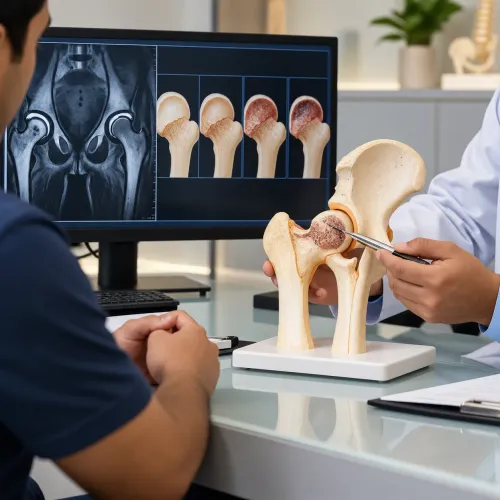
An orthopaedic specialist evaluates the knee through a combination of clinical examination and imaging.
The assessment typically includes
Physical Examination
Specific manoeuvres help identify the location and severity of the meniscus injury.
X-rays
X-rays rule out fractures and assess age-related joint changes but do not show cartilage tears.
MRI Scan
MRI provides detailed images of the meniscus, ligaments, cartilage, and surrounding soft tissues. It is considered the most reliable investigation for confirming a meniscus tear.
Meniscus Tear Treatment Options
The choice of treatment depends on the type of tear, the patient's age, activity level, and overall knee health.
Conservative Management
Small tears located in areas with a good blood supply may heal with rest, activity modification, physiotherapy, and medication to reduce pain and inflammation.
Physiotherapy
Rehabilitation focuses on restoring knee movement, improving muscle strength, and enhancing joint stability. Strengthening the thigh and hip muscles helps reduce pressure on the knee during daily activities.
Arthroscopic Meniscus Surgery
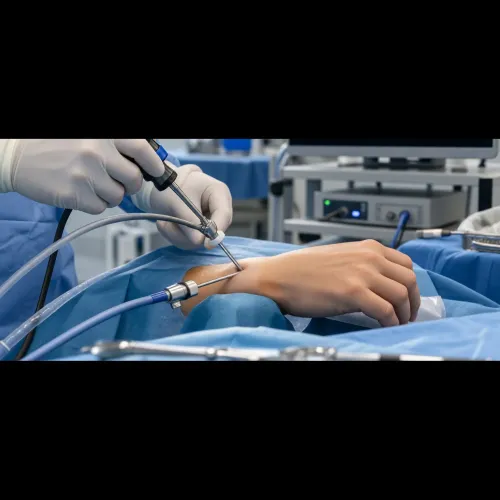
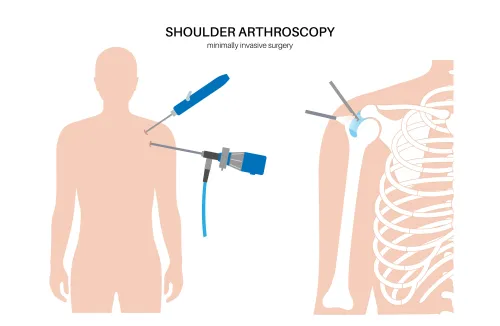
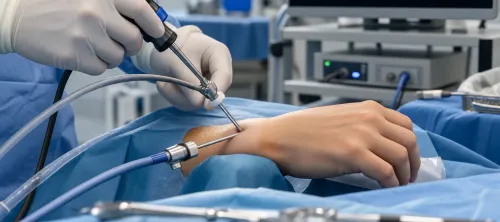
When symptoms persist or the knee repeatedly locks, minimally invasive arthroscopic surgery may be recommended. Depending on the tear, the surgeon may repair the meniscus or remove only the damaged portion while preserving as much healthy cartilage as possible.
Recovery and Rehabilitation
Recovery continues after treatment through a structured rehabilitation programme. Exercises are gradually progressed to restore flexibility, balance, strength, and confidence in movement.
When Is Surgery Usually Recommended?
Surgical treatment may be considered if
- The knee frequently locks during movement.
- A large tear is identified on MRI.
- Conservative treatment has not relieved symptoms.
- The tear affects knee stability or function.
- The patient wishes to return to sports or physically demanding work.
The decision is based on individual clinical findings rather than imaging results alone.
When Should You See an Orthopaedic Specialist?
Arrange a medical evaluation if
- Knee pain continues after a twisting injury.
- Swelling does not improve within a few days.
- The knee locks or catches repeatedly.
- Walking becomes painful.
- You are unable to return to your normal activities.
- Home treatment does not provide lasting relief.
Prompt assessment helps identify the exact injury and reduces the risk of further cartilage damage.
People looking for Meniscus Tear Treatment in Thane can benefit from an accurate diagnosis and a personalized treatment plan tailored to their activity level and recovery goals. At About The Bone and Joints, Advance Ortho Care, Dr. Darshan Shingane provides comprehensive care for knee injuries using evidence-based rehabilitation and advanced arthroscopic techniques when required. Early intervention can help restore knee function, improve mobility, and support a safe return to daily activities and sports.
Keywords