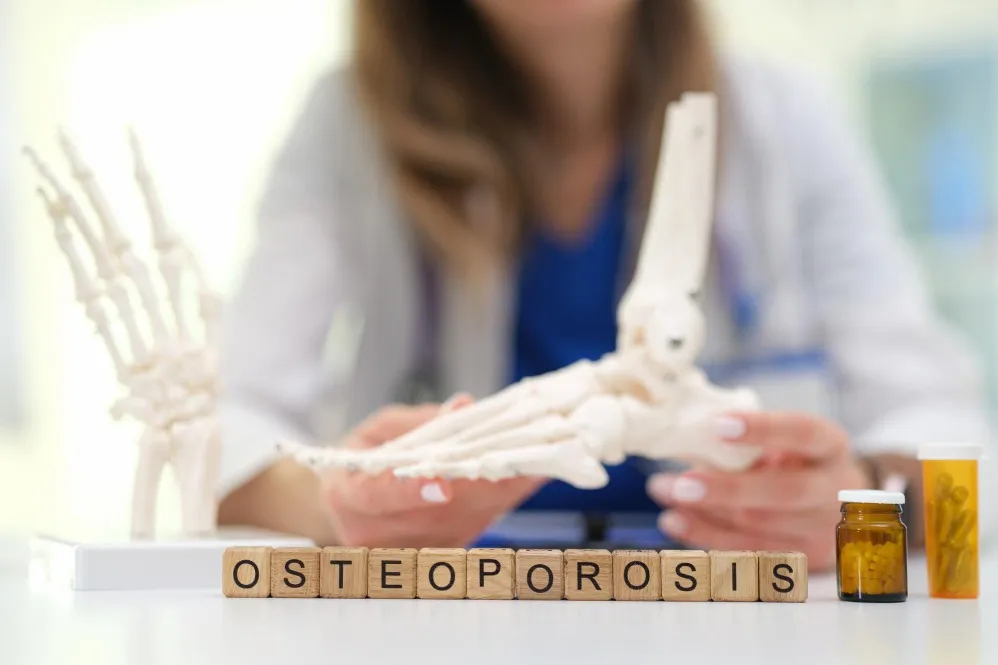
Bones naturally become weaker with age, but when bone loss becomes significant, even a minor fall or simple movement can result in a fracture. Osteoporosis is often called a silent disease because it develops gradually without obvious symptoms until a bone breaks. By the time many people realise they have osteoporosis, considerable bone loss has already occurred.
Early evaluation and appropriate Osteoporosis Treatment can help strengthen bones, lower the risk of fractures, and support an active lifestyle. For adults in Thane and across Maharashtra, understanding bone health is especially important as life expectancy increases and more people remain physically active well into their senior years.
What Is Osteoporosis?
Osteoporosis is a condition in which bones lose density and become porous, making them more fragile and prone to fractures. Healthy bones constantly undergo a process of breakdown and rebuilding. As people age, bone loss may occur faster than new bone formation, leading to reduced bone strength.
The condition commonly affects the spine, hip, and wrist, but fractures can occur in almost any bone. Because osteoporosis progresses slowly, regular screening for individuals at higher risk plays an important role in preventing serious injuries.
Who Is More Likely to Develop Osteoporosis?
Although anyone can develop osteoporosis, certain factors increase the likelihood.
People at higher risk include
- Women after menopause
- Adults over the age of 50
- Individuals with a family history of osteoporosis
- People with low body weight
- Individuals with vitamin D or calcium deficiency
- Long-term users of steroid medications
- People with certain hormonal or medical conditions
- Smokers and individuals who consume excessive alcohol
Understanding these risk factors allows earlier assessment and timely management before fractures occur.
Signs That Should Not Be Ignored
Osteoporosis usually develops without pain in its early stages. However, some warning signs may appear as bone strength decreases.
These include
- Frequent fractures after minor falls
- Loss of height over time
- Stooped posture
- Persistent back pain
- Reduced mobility after a seemingly small injury
- Wrist, hip, or spine fractures with minimal trauma
Even in the absence of symptoms, individuals with multiple risk factors should discuss bone health screening with their doctor.
How Is Osteoporosis Diagnosed?
Diagnosis involves assessing both bone strength and overall fracture risk.
An orthopaedic specialist may recommend
Clinical Evaluation
Medical history, lifestyle, medications, and family history are carefully reviewed to identify factors contributing to bone loss.
Bone Mineral Density Test
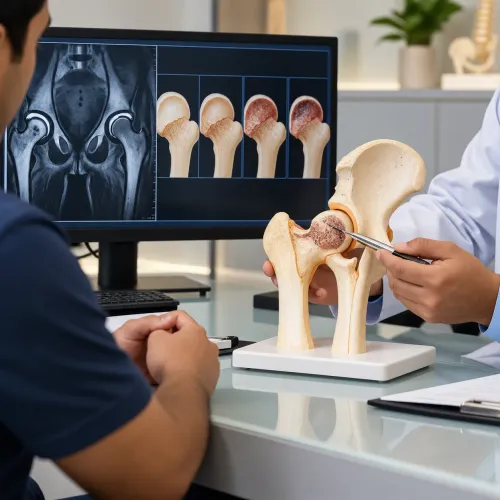
A DEXA scan is the most commonly used test to measure bone density and determine the severity of osteoporosis or osteopenia.
Blood Tests
These help identify nutritional deficiencies, hormonal imbalances, or other medical conditions that may affect bone health.
Fracture Risk Assessment
Your age, previous fractures, lifestyle, and bone density results are considered together to estimate the future risk of fractures.
Osteoporosis Treatment Options
Treatment focuses on slowing bone loss, improving bone strength, and reducing fracture risk.
Nutritional Support
Adequate intake of calcium and vitamin D is essential for maintaining healthy bones. Supplements may be recommended when dietary intake is insufficient.
Medication
Several medications are available to reduce bone loss or stimulate new bone formation. The choice depends on the patient's age, bone density, fracture history, and overall health.
Weight-Bearing Exercise
Activities such as walking, light strength training, and balance exercises help maintain bone strength while improving muscle support around the joints.
Fall Prevention
Simple home modifications, vision correction, and balance training reduce the likelihood of falls that could lead to fractures.
Regular Monitoring
Periodic bone density testing allows the doctor to monitor treatment response and make adjustments when necessary.
Everyday Habits That Support Strong Bones
Healthy lifestyle choices play an important role alongside medical treatment.
Helpful habits include
- Eat calcium-rich foods such as dairy products, leafy vegetables, and fortified foods.
- Spend safe time in sunlight to support vitamin D production.
- Stay physically active with regular weight-bearing exercises.
- Avoid smoking.
- Limit excessive alcohol consumption.
- Maintain good balance and muscle strength to reduce falls.
These measures contribute to stronger bones and healthier ageing.
Why Early Diagnosis Makes a Difference
Many osteoporosis-related fractures occur unexpectedly and can significantly affect independence and quality of life. Hip fractures may require surgery, while spinal fractures can lead to chronic pain, reduced height, and long-term mobility problems.
Identifying reduced bone density before fractures occur allows treatment to begin early, helping preserve bone strength and lower future fracture risk.
When Should You Consult an Orthopaedic Specialist?
A bone health assessment is recommended if
- You are over 50 with persistent back pain or a history of fractures.
- You have gone through menopause.
- You have a family history of osteoporosis.
- You have been taking steroid medications for a prolonged period.
- You notice a reduction in height or changes in posture.
- You sustain fractures after minor injuries.
People looking for Osteoporosis Treatment in Thane can benefit from a comprehensive evaluation that focuses on identifying risk factors, assessing bone density, and creating a personalized treatment plan. At About The Bone and Joints, Advance Ortho Care, Dr. Darshan Shingane provides evidence-based care that combines medical management, lifestyle guidance, and long-term monitoring to help patients protect their bone health and maintain an active, independent lifestyle.
Keywords