Have you ever noticed one of your fingers catching or locking when you try to straighten it? Perhaps it bends easily but suddenly snaps into place with a clicking sensation. This condition is commonly known as trigger finger, and while it may seem like a minor inconvenience at first, it can gradually become painful and interfere with everyday activities.
Whether you're typing at work, cooking at home, gripping a steering wheel, or lifting objects, healthy finger movement is something most people take for granted until it becomes difficult. Understanding the causes of trigger finger and when Trigger Finger Release may be recommended can help you seek timely treatment before the condition worsens.
What Is Trigger Finger?
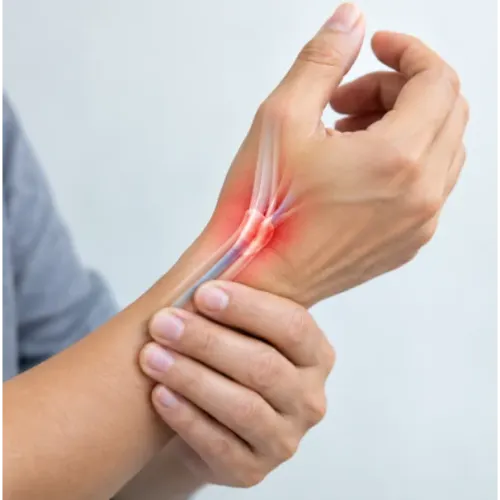
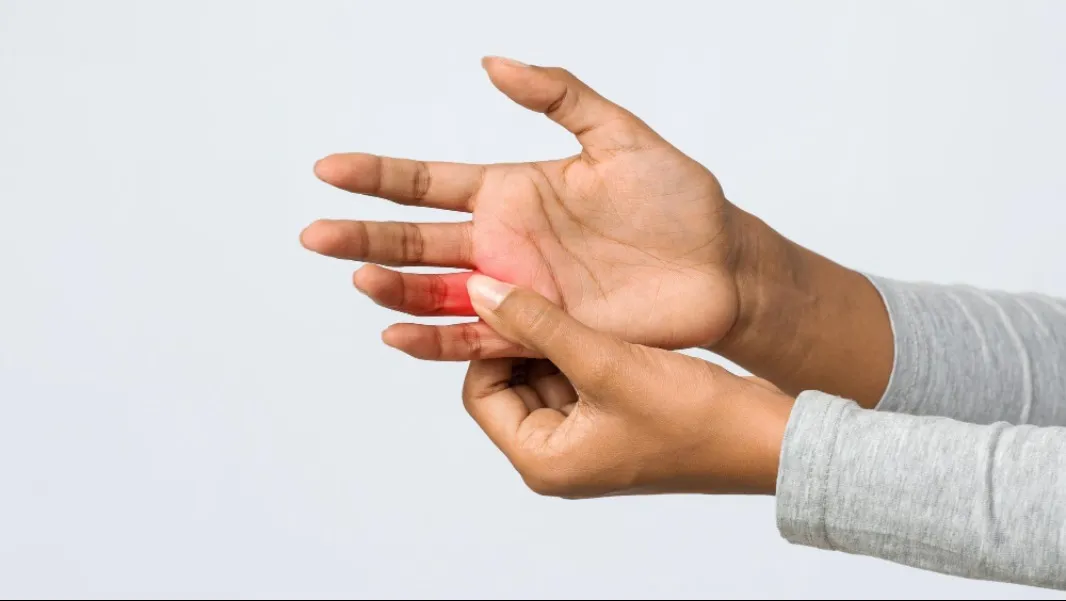
Trigger finger, medically known as stenosing tenosynovitis, occurs when the tendon responsible for bending a finger or thumb becomes inflamed or thickened. Normally, tendons glide smoothly through protective tunnels called tendon sheaths. When inflammation develops, the tendon struggles to move freely through this narrow passage.
As a result, the finger may:
- Click or snap during movement
- Lock in a bent position
- Feel stiff, especially in the morning
- Become painful near the base of the finger
- Require assistance from the other hand to straighten
The thumb, ring finger, and middle finger are most commonly affected, although any finger can develop the condition.
What Causes Trigger Finger?
Trigger finger often develops gradually and may not have a single identifiable cause. However, several factors can increase the likelihood of developing the condition.
Common risk factors include:
- Repetitive gripping activities
- Frequent use of hand tools
- Long hours of computer work
- Gardening or household chores involving repetitive hand movements
- Diabetes
- Rheumatoid arthritis
- Previous hand injuries
- Age-related tendon changes
In a growing city like Thane, professionals, homemakers, craftsmen, and business owners often perform repetitive hand movements throughout the day, making trigger finger a condition seen across different occupations.
Early Signs You Shouldn't Ignore
Symptoms usually begin mildly but may progress over time if left untreated.
Look out for:
- Tenderness at the base of the finger
- A small lump in the palm
- Morning stiffness
- Pain while gripping objects
- Clicking during finger movement
- Finger locking that becomes more frequent
Recognising these signs early allows treatment to begin before permanent stiffness develops.
Can Trigger Finger Heal Without Surgery?
Yes, many patients improve with conservative treatment, especially when symptoms are identified early.
Treatment may include:
- Temporary activity modification
- Finger splints
- Anti-inflammatory medication where appropriate
- Gentle stretching exercises
- Hand therapy
- Corticosteroid injections in selected patients
These measures aim to reduce inflammation and improve smooth tendon movement.
However, when symptoms persist despite appropriate treatment or the finger repeatedly locks, surgical intervention may be considered.
When Is Trigger Finger Release Recommended?
A Trigger Finger Release procedure may be advised if:
- The finger remains locked frequently.
- Pain interferes with daily activities.
- Conservative treatment has not provided lasting relief.
- Multiple episodes continue to occur.
- Finger movement becomes increasingly restricted.
- Hand function begins affecting work or personal activities.
The decision is based on symptom severity, physical examination, medical history, and the patient's functional needs.
What Happens During Trigger Finger Release?
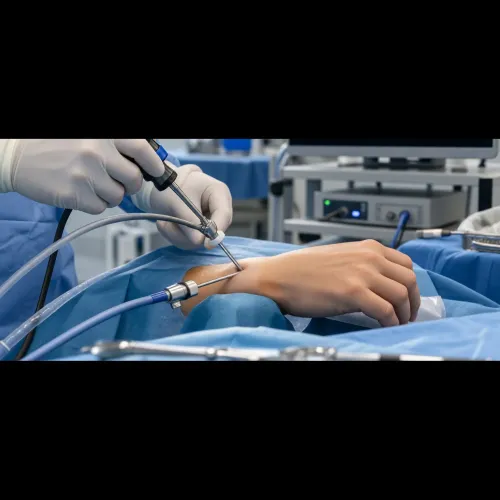
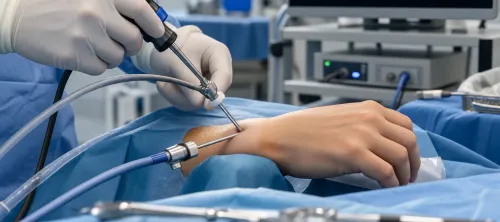
Trigger Finger Release is a procedure designed to create more space for the tendon to glide freely.
During surgery:
- A small incision is made near the affected finger.
- The tight pulley restricting tendon movement is carefully released.
- The tendon is checked for smooth movement.
- The incision is closed after confirming adequate finger motion.
The procedure is generally performed as a day-care surgery under local anaesthesia, allowing many patients to return home the same day.
The exact technique depends on the patient's condition and the treating surgeon's clinical assessment.
Recovery After Surgery
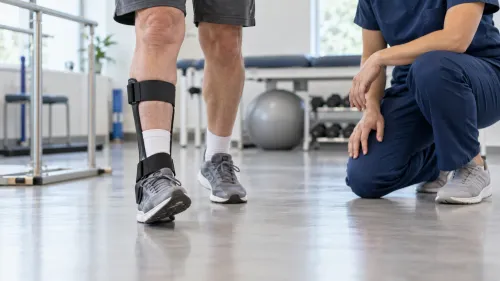
Recovery is often gradual, with many patients encouraged to begin gentle finger movement soon after the procedure.
Typical recovery recommendations include:
- Keeping the wound clean and dry
- Moving the fingers regularly as instructed
- Avoiding heavy gripping for a short period
- Performing hand exercises if recommended
- Attending follow-up appointments
Most individuals notice an improvement in finger movement over the following weeks, although complete recovery depends on the duration and severity of symptoms before treatment.
Preventing Future Hand Problems
While not every case can be prevented, maintaining healthy hand habits may reduce strain on tendons.
Helpful practices include:
- Taking breaks during repetitive work
- Using ergonomic tools and keyboards
- Performing stretching exercises throughout the day
- Avoiding prolonged forceful gripping when possible
- Managing diabetes and inflammatory conditions effectively
Small lifestyle changes can contribute to better long-term hand function.
Why Early Assessment Matters
Many people continue living with trigger finger because they assume it will resolve on its own. Unfortunately, delaying evaluation may lead to increased stiffness, persistent pain, and reduced hand function.
An orthopedic assessment may include:
- A detailed medical history
- Physical examination
- Evaluation of tendon movement
- Assessment of grip strength
- Imaging studies when necessary to rule out other hand conditions
These steps help identify the underlying cause and guide the most appropriate treatment plan.
For people in Thane experiencing finger locking, pain, or difficulty performing everyday tasks, an early consultation with an orthopedic specialist can prevent the condition from progressing. Bone and Joints, Advance Ortho Care provides comprehensive evaluation for hand disorders, offering individualized treatment plans that may include therapy, injections, or Trigger Finger Release when clinically appropriate. The focus is always on restoring comfortable movement while helping patients return to their normal activities with improved hand function.
Keywords