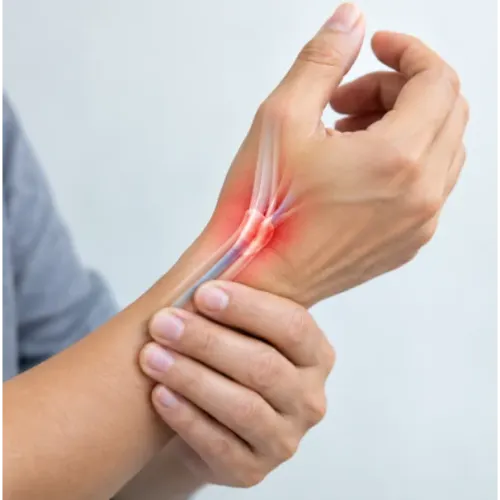
Pain around the front of the knee can make everyday movements surprisingly difficult. Climbing stairs, getting up from a chair, squatting, kneeling, or sitting for long periods may all become uncomfortable. While many people assume this discomfort is simply a result of aging or overuse, it may actually be caused by chondromalacia patella.
This condition affects the cartilage beneath the kneecap, leading to pain and irritation during movement. Early diagnosis and appropriate Chondromalacia Patella Treatment can help reduce discomfort, improve knee function, and prevent further damage to the joint.
What Is Chondromalacia Patella?
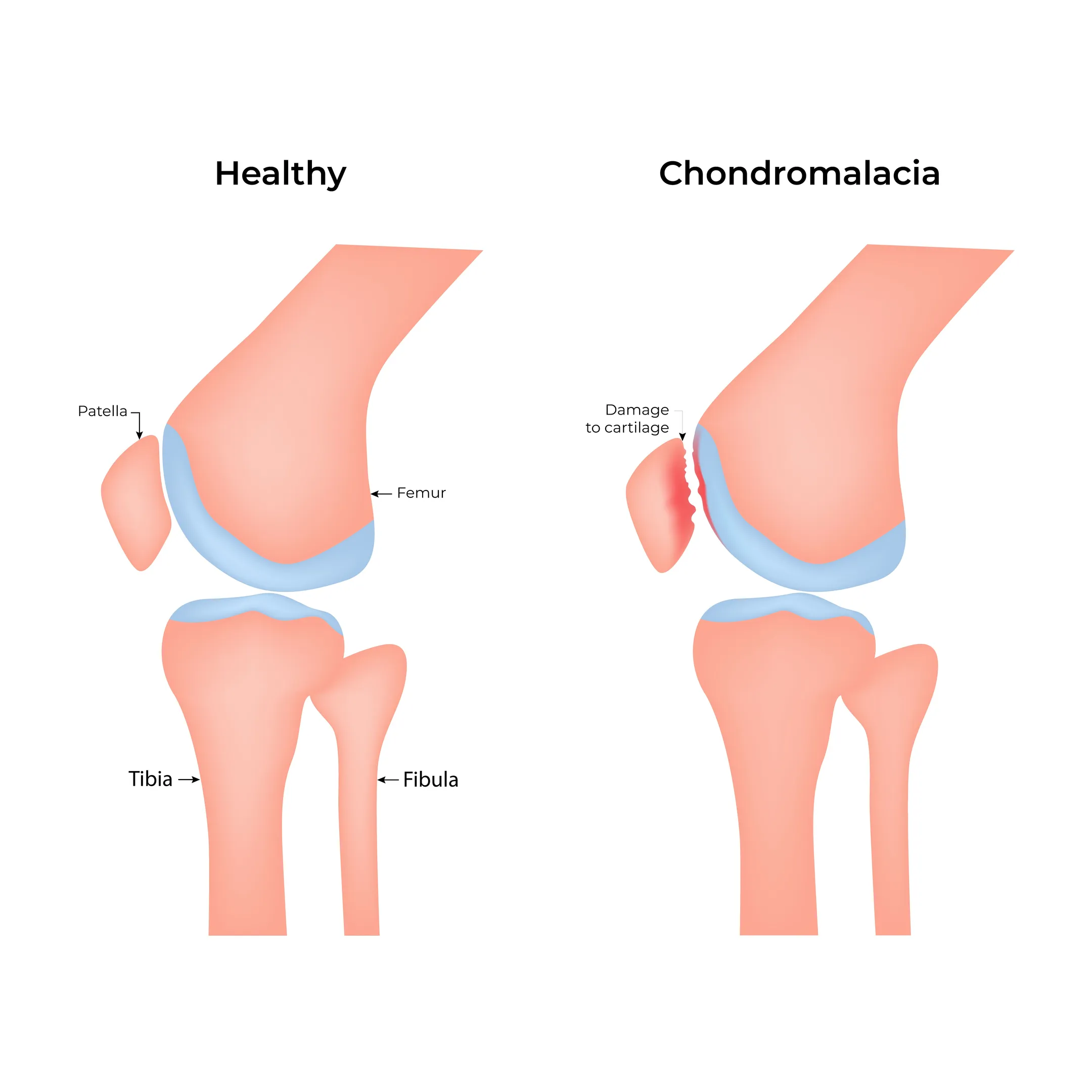
The kneecap, or patella, glides smoothly over the thigh bone whenever the knee bends or straightens. A layer of cartilage on the underside of the kneecap acts as a cushion, allowing this movement to occur without friction.
Chondromalacia patella develops when this cartilage softens or begins to wear down. As a result, the kneecap no longer moves smoothly, leading to irritation, pain, and inflammation.
The condition is commonly seen in active young adults, runners, cyclists, individuals who frequently squat or climb stairs, and older adults experiencing age-related cartilage changes. It is also a frequent cause of persistent knee discomfort among people in Thane and across Maharashtra who have physically demanding occupations.
Common Symptoms of Chondromalacia Patella
The symptoms often begin gradually and may worsen with repeated knee movement.
Some of the common signs include
- Pain around or behind the kneecap
- Discomfort while climbing or descending stairs
- Knee pain after prolonged sitting
- Pain during squatting or kneeling
- Grinding or clicking sensation while moving the knee
- Mild swelling around the front of the knee
- Stiffness after periods of inactivity
Many people notice that the pain becomes more noticeable after exercise or long periods of walking.
What Causes Chondromalacia Patella?
Several factors may contribute to increased pressure on the cartilage beneath the kneecap.
Overuse of the Knee Joint
Frequent running, jumping, cycling, or repetitive bending of the knee can gradually increase stress on the cartilage.
Muscle Imbalance
Weakness in the thigh or hip muscles may affect kneecap alignment, causing uneven pressure during movement.
Previous Knee Injury
A fall, direct blow, or kneecap dislocation may damage the cartilage or alter the normal movement of the patella.
Poor Knee Alignment
Certain structural variations in the legs or feet may affect how the kneecap tracks during walking and exercise.
Age-Related Cartilage Wear
As cartilage naturally becomes thinner with age, it may be more susceptible to irritation and degeneration.
How Is Chondromalacia Patella Diagnosed?
A thorough clinical assessment is the first step in identifying the condition.
An orthopaedic specialist may evaluate
- The location and pattern of knee pain
- Kneecap movement during bending and straightening
- Muscle strength around the hip and thigh
- Walking and movement mechanics
- Areas of tenderness around the knee
Imaging studies such as X-rays may help rule out arthritis or fractures, while MRI scans can provide a detailed view of the cartilage and surrounding soft tissues when required.
An accurate diagnosis ensures that treatment addresses the specific cause of knee pain.
Chondromalacia Patella Treatment Options
The treatment plan depends on the severity of cartilage damage, symptoms, and activity level.
Activity Modification
Reducing activities that repeatedly overload the kneecap allows irritated cartilage to recover while maintaining gentle movement.
Physiotherapy
Rehabilitation focuses on strengthening the quadriceps, hip muscles, and core while improving flexibility and correcting movement patterns. This is one of the most effective components of long-term recovery.
Pain Management
Medications may be recommended to reduce inflammation and improve comfort during rehabilitation.
Knee Support
In selected cases, braces or taping techniques may help improve kneecap alignment during daily activities.
Weight Management
Maintaining a healthy body weight reduces pressure on the knee joint, especially during walking, climbing stairs, and exercise.
Surgical Treatment
If significant cartilage damage is present and conservative treatment does not provide adequate improvement, minimally invasive arthroscopic procedures may be considered to repair or smooth damaged cartilage and improve joint function.
Everyday Habits That Support Knee Health
Simple lifestyle adjustments can help protect the kneecap and reduce recurring symptoms.
Consider the following
- Warm up before physical activity.
- Strengthen the thigh and hip muscles regularly.
- Wear supportive footwear during exercise.
- Avoid sudden increases in workout intensity.
- Use proper techniques while running or squatting.
- Allow adequate recovery after strenuous activity.
These measures help reduce excessive stress on the knee and support long-term joint function.
When Should You Consult an Orthopaedic Specialist?
Professional evaluation is advisable if
- Knee pain continues for more than a few weeks.
- Climbing stairs becomes increasingly painful.
- Swelling or grinding sensations develop.
- The knee feels unstable during movement.
- Home exercises and rest do not provide relief.
Persistent front knee pain should not be ignored, as untreated cartilage damage may gradually affect mobility and daily function.
Patients looking for Chondromalacia Patella Treatment in Thane can benefit from a detailed assessment to identify the exact cause of knee pain and receive an individualised treatment plan. At About The Bone and Joints, Advance Ortho Care, Dr. Darshan Shingane focuses on restoring knee function through evidence-based orthopaedic care, rehabilitation, and advanced treatment options when necessary. Early intervention often helps patients return to work, sports, and everyday activities with improved comfort and confidence.
Keywords