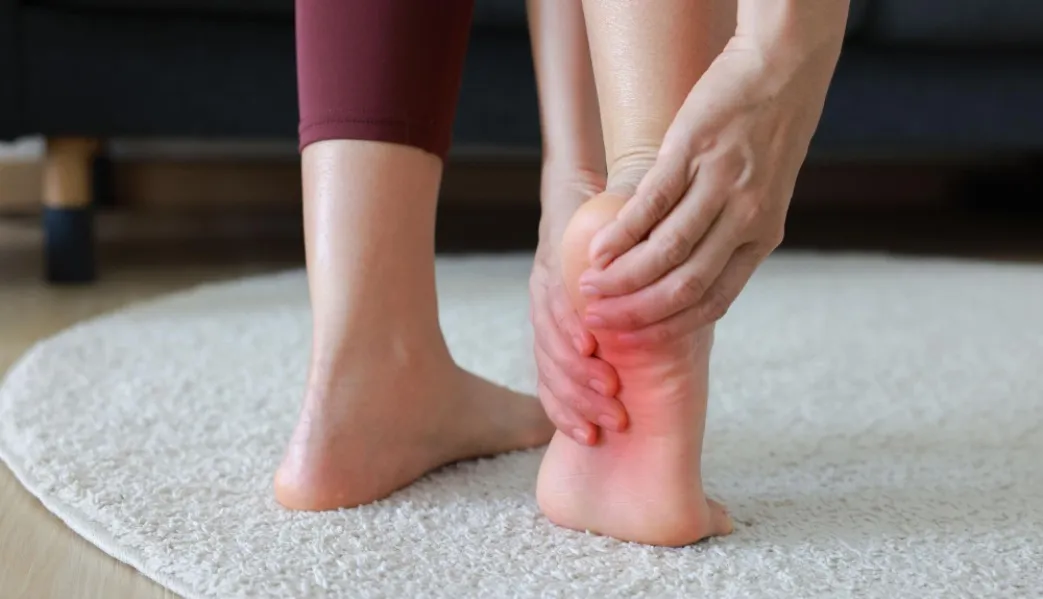
A sharp pain under the heel when taking the first few steps in the morning is often dismissed as temporary soreness. However, if the discomfort returns every day or worsens after standing for long hours, it could be plantar fasciitis. This common foot condition affects people of all ages, especially those who spend extended periods on their feet, participate in sports, or have certain foot mechanics.
For many people in Thane and across Maharashtra, heel pain gradually interferes with work, exercise, and daily routines. Seeking timely Plantar Fasciitis Treatment can help address the underlying cause rather than simply masking the symptoms.
What Is Plantar Fasciitis?
The plantar fascia is a thick band of connective tissue that runs from the heel bone to the toes. It supports the arch of the foot and absorbs the stress created while walking, running, and standing.
When this tissue becomes irritated or develops tiny tears due to repeated strain, inflammation and heel pain can occur. This condition is known as plantar fasciitis.
Unlike a sudden injury, plantar fasciitis usually develops gradually. The pain may start as mild discomfort but can become persistent if ignored.
Common Symptoms of Plantar Fasciitis
The symptoms vary from person to person, but several signs are commonly reported.
These include
- Sharp pain beneath the heel
- Pain during the first few steps after waking up
- Discomfort after sitting for long periods
- Heel pain after prolonged standing
- Tenderness around the bottom of the heel
- Tightness in the calf muscles
- Pain that improves slightly with movement but returns after activity
Many people continue walking despite the discomfort, believing the pain will resolve on its own. In reality, ongoing strain may prolong recovery.
Why Does Plantar Fasciitis Develop?
Several everyday factors can increase stress on the plantar fascia.
Long Hours of Standing
Professionals who stand for extended periods, such as teachers, healthcare workers, factory employees, and retail staff, place repeated pressure on the heel.
High-Impact Activities
Running, jumping, and certain sports increase the workload on the plantar fascia, especially without proper footwear or training.
Improper Footwear
Shoes that lack cushioning or adequate arch support may contribute to excessive strain on the foot.
Excess Body Weight
Additional body weight increases pressure on the heel and plantar fascia during every step.
Foot Structure
People with flat feet, high arches, or abnormal walking patterns may have an increased risk of developing plantar fasciitis.
How Is Plantar Fasciitis Diagnosed?
An orthopaedic specialist usually diagnoses plantar fasciitis through a detailed clinical examination.
The assessment may include
- Discussion of symptoms and daily activities
- Examination of the heel and foot
- Evaluation of walking pattern
- Assessment of foot flexibility
- X-rays to rule out heel fractures or bone-related conditions
- Ultrasound or MRI if another soft tissue condition is suspected
An accurate diagnosis helps ensure that treatment addresses the correct cause of heel pain.
Plantar Fasciitis Treatment Options
Treatment aims to reduce pain, promote healing, and restore comfortable movement.
Activity Modification
Reducing activities that place excessive stress on the heel allows the inflamed tissue to recover while maintaining appropriate levels of movement.
Physiotherapy
Stretching exercises for the plantar fascia and calf muscles help improve flexibility and reduce tension on the heel. Strengthening exercises also improve foot stability.
Supportive Footwear
Shoes with proper cushioning and arch support help distribute pressure more evenly across the foot.
Orthotic Insoles
Custom or medically recommended insoles may provide additional support for individuals with altered foot mechanics.
Medication
When appropriate, anti-inflammatory medications may be prescribed to reduce pain and swelling during recovery.
Advanced Non-Surgical Treatments
If symptoms continue despite conservative care, additional treatment options may be recommended based on the severity of the condition and the patient's activity level.
Surgery is considered only in a small number of cases where persistent symptoms fail to improve after comprehensive non-surgical management.
Simple Habits That Support Recovery
Lifestyle changes often complement medical treatment and help reduce repeated strain on the plantar fascia.
Helpful practices include
- Stretch the calf muscles before getting out of bed.
- Wear supportive footwear throughout the day.
- Avoid walking barefoot on hard floors.
- Increase physical activity gradually.
- Maintain a healthy body weight.
- Replace worn-out athletic shoes regularly.
Following these recommendations consistently can improve recovery and reduce the likelihood of recurrence.
When Should Heel Pain Be Evaluated?
Professional assessment is advisable if
- Heel pain lasts longer than two weeks.
- Walking becomes increasingly uncomfortable.
- Pain interferes with work or daily activities.
- Home care measures do not provide relief.
- Swelling or severe tenderness develops around the heel.
Early evaluation helps identify the exact cause of heel pain and prevents long-term discomfort.
People looking for Plantar Fasciitis Treatment in Thane can benefit from an individualised approach that focuses on relieving pain, improving foot function, and supporting long-term mobility. At About The Bone and Joints, Advance Ortho Care, Dr. Darshan Shingane evaluates each patient's condition thoroughly before recommending a treatment plan tailored to their lifestyle, activity level, and recovery goals. With appropriate care and guided rehabilitation, many individuals are able to return to walking, working, and exercising with greater comfort.
Keywords