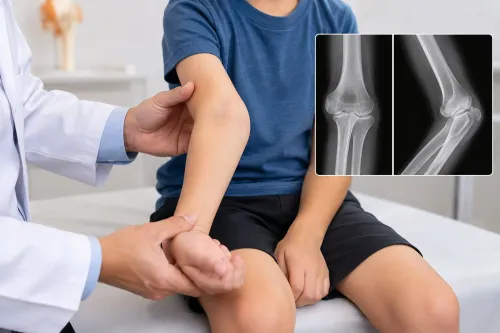
Chronic joint pain can gradually affect every aspect of daily life. Climbing stairs, getting out of a chair, walking to the market, exercising, or even standing for long periods may become increasingly difficult. While many people assume that severe joint pain automatically leads to joint replacement surgery, this is not always the case. Depending on the condition, age, activity level, and extent of joint damage, Joint Preserving Surgery may offer an effective alternative for suitable patients.
Understanding the differences between joint preservation and joint replacement helps patients discuss treatment options more confidently with their orthopedic specialist and choose an approach that aligns with their long-term mobility goals.
What Is Joint Preserving Surgery?
Joint Preserving Surgery includes a range of orthopedic procedures designed to protect and maintain a patient's natural joint instead of replacing it with an artificial implant. The primary aim is to address the underlying problem causing pain or instability while preserving as much healthy bone, cartilage, and surrounding tissue as possible.
Depending on the diagnosis, joint-preserving procedures may involve:
- Cartilage restoration
- Ligament reconstruction
- Tendon repair
- Osteotomy to correct bone alignment
- Joint stabilization procedures
- Treatment of early cartilage damage
- Repair of certain sports injuries
These procedures are generally considered when the joint still has enough healthy structure to function effectively after correction.
What Is Joint Replacement?
Joint replacement surgery involves removing damaged joint surfaces and replacing them with artificial components made from metal, ceramic, or medical-grade plastic.
Joint replacement is commonly recommended for patients with:
- Advanced osteoarthritis
- Severe joint destruction
- End-stage arthritis
- Significant deformity
- Persistent pain that has not responded to conservative treatment
The objective is to reduce pain, improve movement, and restore daily function when preserving the natural joint is no longer practical.
Who May Be a Candidate for Joint Preserving Surgery?
Not every patient with joint pain requires replacement surgery. In many cases, preserving the natural joint may be possible if treatment is sought before irreversible damage occurs.
Patients who may benefit include:
- Younger adults with localized joint damage
- Individuals with sports injuries
- Patients with early arthritis
- People with cartilage injuries
- Patients with ligament instability
- Individuals with certain bone alignment problems
The suitability of Joint Preserving Surgery depends on a detailed clinical assessment rather than age alone.
Factors That Influence the Treatment Decision
Orthopedic specialists consider several factors before recommending either joint preservation or joint replacement.
These include:
- Severity of cartilage damage
- Joint alignment
- Bone quality
- Stability of ligaments
- Activity level
- Occupation
- Overall health
- Medical history
- Expectations from treatment
Imaging studies such as X-rays, MRI, or CT scans are combined with physical examination findings to develop an individualized treatment plan.
Benefits of Preserving the Natural Joint
When clinically appropriate, preserving the patient's own joint offers several potential advantages.
These may include:
- Retaining natural joint movement
- Preserving healthy bone
- Delaying or avoiding joint replacement
- Supporting higher activity levels in selected patients
- Maintaining normal joint mechanics
- Providing treatment tailored to the specific cause of pain
However, these procedures are only recommended when they are likely to achieve meaningful improvement based on the patient's condition.
When Joint Replacement May Be the Better Option
Although joint preservation is valuable in many situations, it is not suitable for every patient.
Joint replacement may provide better long-term outcomes when there is:
- Extensive cartilage loss
- Severe arthritis
- Major joint deformity
- Significant bone damage
- Long-standing pain affecting quality of life
- Failure of previous joint-preserving procedures
Choosing the appropriate treatment is about selecting the option most likely to restore function rather than simply choosing the less invasive procedure.
Why Early Evaluation Makes a Difference
One of the most important factors influencing treatment options is the stage at which the condition is diagnosed.
Patients who seek medical attention early may have access to a wider range of treatment choices before advanced joint damage develops.
Early evaluation may help identify:
- Cartilage injuries
- Ligament problems
- Alignment abnormalities
- Early arthritis
- Mechanical joint issues
Addressing these conditions promptly may reduce further joint deterioration.
Recovery Depends on the Procedure
Recovery timelines differ depending on whether a patient undergoes joint preservation or joint replacement.
Rehabilitation commonly includes:
- Pain management.
- Guided physiotherapy.
- Gradual strengthening exercises.
- Balance and movement training.
- Progressive return to everyday activities.
Following the rehabilitation programme consistently is an important part of achieving the best possible functional outcome.
Questions Patients Should Ask During Consultation
Before deciding on surgery, patients may find it helpful to discuss the following with their orthopedic specialist:
- Is my joint suitable for preservation?
- What are the expected benefits of each option?
- How long is the recovery period?
- Will rehabilitation be required?
- How might my age and activity level influence treatment?
- What happens if surgery is delayed?
Open discussions help patients understand both the advantages and limitations of each treatment option.
For individuals in Thane experiencing persistent joint pain or reduced mobility, a comprehensive orthopedic assessment can determine whether preserving the natural joint remains a realistic option. Bone and Joints, Advance Ortho Care evaluates each patient individually, considering symptoms, imaging findings, activity level, and long-term functional goals before recommending treatment. When clinically appropriate, Joint Preserving Surgery may be considered alongside physiotherapy, regenerative treatments, or other orthopedic procedures to help maintain natural joint function while supporting long-term mobility and quality of life.
Keywords