Tendons and ligaments are essential for smooth movement, stability, and strength. While tendons connect muscles to bones and enable movement, ligaments connect bones to each other and keep joints stable during daily activities. An injury to either structure can make even simple tasks such as walking, climbing stairs, lifting objects, or participating in sports difficult and painful.
Many tendon and ligament injuries heal with rest, physiotherapy, or temporary immobilization. However, severe tears, chronic injuries, or failed healing may require Tendon and Ligament Reconstruction to restore joint function and stability. Understanding when reconstruction is recommended instead of a simple repair helps patients make informed decisions about their orthopedic care.
Understanding Tendon and Ligament Injuries
Injuries can occur suddenly during sports or accidents, or they may develop gradually because of repetitive stress. The severity ranges from mild stretching to complete tears.
Common causes include:
- Sports injuries
- Falls
- Road traffic accidents
- Twisting injuries
- Heavy lifting
- Repetitive movements at work
- Degenerative changes associated with ageing
Depending on the affected joint, patients may experience difficulty performing routine activities that were previously effortless.
Symptoms That Should Not Be Ignored
While mild sprains often improve within a few weeks, persistent symptoms deserve professional evaluation.
Common signs include:
- Joint instability
- Pain during movement
- Swelling that persists
- Reduced range of motion
- Weakness around the joint
- Difficulty bearing weight
- Clicking or giving-way sensations
- Inability to return to sports or regular physical activity
These symptoms may indicate a significant tendon or ligament injury rather than a simple strain.
Repair Versus Reconstruction: What's the Difference?
Many people assume these terms mean the same thing, but they describe different surgical approaches.
Repair involves stitching the torn ends of the existing tendon or ligament back together when the tissue remains healthy enough to heal.
Reconstruction involves rebuilding the damaged structure using a tissue graft when the original tissue is too damaged, retracted, weakened, or chronically injured to be repaired effectively.
The decision depends on several factors, including:
- Age of the injury
- Size of the tear
- Tissue quality
- Joint involved
- Activity level
- Overall health of the patient
An orthopedic specialist evaluates these factors before recommending the most suitable treatment.
Which Conditions May Require Reconstruction?
Tendon and Ligament Reconstruction may be considered for several orthopedic conditions, including:
- Chronic ankle ligament injuries
- Complex wrist ligament tears
- Tendon ruptures
- Sports-related ligament injuries
- Multi-ligament joint injuries
- Failed previous repairs
- Certain traumatic injuries involving soft tissues
Each condition requires individualized assessment because no single procedure is appropriate for every patient.
What Happens Before Surgery?
A detailed evaluation helps confirm the diagnosis and determine whether reconstruction is necessary.
This assessment may include:
- Medical history
- Physical examination
- Joint stability testing
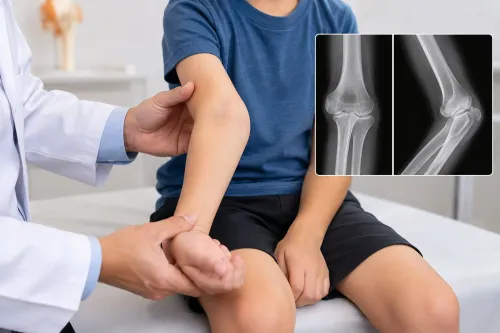
- X-rays
- MRI scans
- Ultrasound for selected tendon injuries
- Functional assessment based on occupation and lifestyle
Imaging findings are always interpreted together with clinical symptoms rather than being viewed in isolation.
What Does Tendon and Ligament Reconstruction Involve?
Although techniques vary depending on the affected joint, reconstruction generally focuses on restoring stability and function.
The procedure may involve:
- Removing damaged tissue where necessary.
- Preparing the joint for reconstruction.
- Using an appropriate graft to rebuild the tendon or ligament.
- Securing the reconstructed tissue with specialized fixation techniques.
- Confirming stability before completing the procedure.
Advances in orthopedic surgery have allowed many reconstructions to be performed using minimally invasive techniques where clinically appropriate, helping reduce tissue disruption while supporting recovery.
Why Rehabilitation Is Just as Important as Surgery
Surgery is only one part of the treatment journey. Successful recovery depends heavily on structured rehabilitation.
Recovery commonly includes:
- Controlled protection during the early healing phase
- Gradual improvement in joint movement
- Muscle strengthening exercises
- Balance and coordination training
- Functional rehabilitation
- Sport-specific training when appropriate
Returning to strenuous activities too early may compromise healing, making adherence to rehabilitation protocols essential.
Who May Benefit Most from Reconstruction?
Reconstruction may be appropriate for:
- Athletes wishing to return to competitive sports
- Individuals with persistent joint instability
- Patients whose occupations require physical activity
- People with complete tendon or ligament tears
- Patients whose previous treatment has not restored normal function
Treatment recommendations are always based on the individual's condition, goals, and overall health rather than age alone.
Why Early Assessment Matters
Delaying treatment for significant tendon or ligament injuries may allow joint instability to continue, increasing the risk of cartilage damage, repeated injuries, and long-term functional problems.
For residents of Thane experiencing persistent joint pain, instability, or reduced movement after an injury, a timely orthopedic evaluation can help identify the underlying problem before it becomes more difficult to treat. Bone and Joints, Advance Ortho Care provides comprehensive assessment for tendon, ligament, and sports-related injuries, offering individualized treatment plans that may include physiotherapy, minimally invasive procedures, or Tendon and Ligament Reconstruction when clinically indicated. By combining accurate diagnosis with structured rehabilitation, the clinic focuses on restoring joint stability, improving movement, and supporting a safe return to everyday activities and physical performance.
Keywords