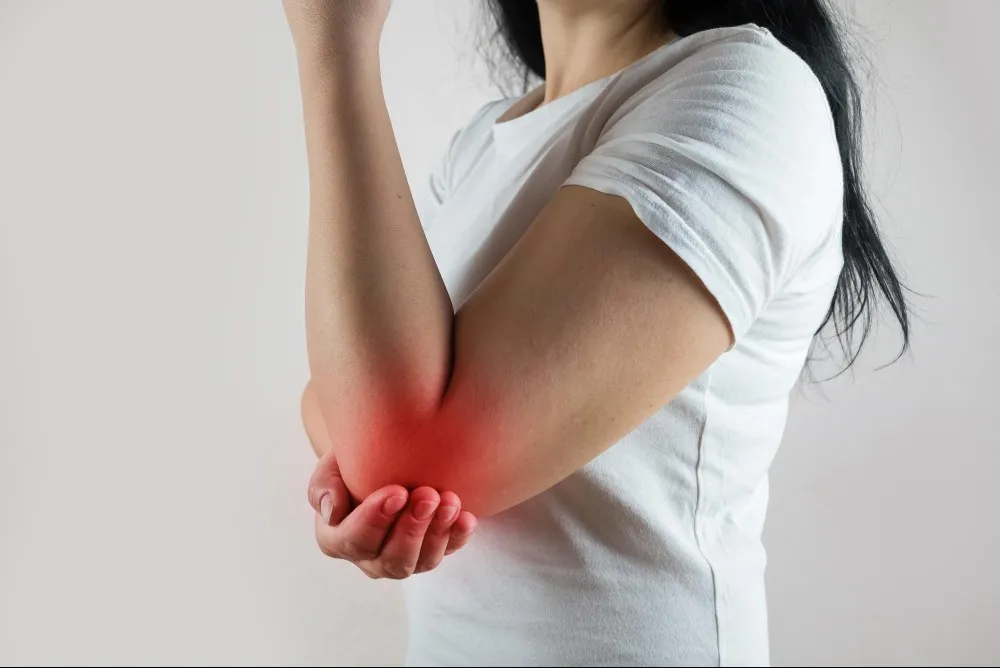
Pain on the outer side of the elbow is often associated with sports, but tennis is not the only reason this condition develops. Many people who have never picked up a tennis racket experience similar discomfort due to repetitive hand and arm movements. From office professionals and mechanics to homemakers and fitness enthusiasts, anyone who frequently uses their forearm muscles can develop tennis elbow.
The condition may begin with mild soreness but can gradually affect daily activities such as lifting objects, opening jars, shaking hands, or even holding a coffee mug. Seeking timely Tennis Elbow Treatment helps manage the condition before it interferes with work, hobbies, and overall quality of life.
What Is a Tennis Elbow?
Tennis elbow, medically known as lateral epicondylitis, is an overuse injury that affects the tendons attached to the outer part of the elbow. Repetitive stress causes tiny tears within these tendons, leading to pain, inflammation, and reduced grip strength.
Although the name suggests it affects only athletes, the condition is far more common among individuals whose occupations or daily routines involve repeated wrist extension or gripping movements.
Residents in Thane and other parts of Maharashtra often develop tennis elbow because of repetitive workplace activities, recreational sports, or household tasks that place continuous strain on the forearm muscles.
Common Symptoms of Tennis Elbow
Symptoms usually develop gradually rather than appearing suddenly after a single incident.
Some of the most common signs include
- Pain on the outer side of the elbow
- Weak grip strength
- Pain while lifting lightweight objects
- Discomfort when shaking hands
- Difficulty opening bottles or jars
- Pain during typing or prolonged computer use
- Tenderness around the elbow joint
- Increased discomfort while twisting the wrist
Many people continue using the arm despite ongoing pain, which may delay healing and worsen the condition.
What Causes Tennis Elbows?
Tennis elbow develops when the tendons are repeatedly overloaded without adequate recovery.
Common contributing factors include
Repetitive Workplace Activities
Jobs involving continuous lifting, tool handling, painting, plumbing, carpentry, or computer work may increase stress on the elbow.
Racquet Sports
Incorrect technique or overtraining in tennis, badminton, squash, or similar sports can contribute to tendon injury.
Weight Training
Improper lifting techniques or sudden increases in exercise intensity may overload the forearm tendons.
Household Tasks
Activities such as gardening, cooking, cleaning, or carrying heavy grocery bags repeatedly may also contribute.
Age-Related Tendon Changes
As tendons naturally lose flexibility with age, they may become more vulnerable to overuse injuries.
How Is Tennis Elbow Diagnosed?
A detailed clinical examination is usually enough to diagnose tennis elbow.
An orthopaedic specialist may evaluate
- Location of pain
- Elbow movement
- Grip strength
- Wrist resistance tests
- Functional arm movements
If symptoms are severe or another condition is suspected, imaging studies such as X-rays, ultrasound, or MRI may be recommended to rule out arthritis, fractures, or ligament injuries.
An accurate diagnosis ensures that treatment is directed toward the actual source of pain.
Tennis Elbow Treatment Options
Treatment focuses on reducing tendon irritation, improving healing, and restoring normal arm function.
Activity Modification
Temporarily reducing activities that repeatedly strain the forearm allows the injured tendon to recover without complete immobilisation.
Physiotherapy
A structured rehabilitation programme includes stretching, strengthening, and eccentric exercises that gradually improve tendon health and restore arm function.
Pain and Inflammation Management
Medications may be prescribed when appropriate to relieve discomfort and enable better participation in rehabilitation.
Bracing
A forearm support brace may reduce stress on the affected tendon during daily activities.
Image-Guided Injections
For selected patients with persistent symptoms, certain injection-based treatments may be considered depending on clinical findings.
Surgical Management
Surgery is generally reserved for individuals whose symptoms continue despite several months of comprehensive conservative treatment. Modern surgical techniques aim to remove damaged tissue and restore tendon function while preserving joint mobility.
Everyday Tips That May Reduce Elbow Strain
Small adjustments in daily activities can help support recovery and reduce recurrence.
Helpful measures include
- Warm up before sports or exercise.
- Improve lifting techniques during workouts.
- Take regular breaks during repetitive work.
- Use ergonomic tools whenever possible.
- Strengthen forearm and wrist muscles gradually.
- Avoid continuing activities that significantly increase pain.
These habits can reduce stress on the tendons while promoting long-term elbow health.
When Is It Time to See an Orthopaedic Specialist?
Medical evaluation is recommended if
- Elbow pain persists for more than two weeks.
- Grip strength continues to decline.
- Daily tasks become painful.
- Home remedies fail to improve symptoms.
- Pain returns repeatedly after activity.
Ignoring persistent tendon pain may prolong recovery and increase the likelihood of chronic symptoms.
Individuals seeking Tennis Elbow Treatment in Thane can benefit from a personalised evaluation that identifies the underlying cause of the condition rather than treating symptoms alone. At About The Bone and Joints, Advance Ortho Care, Dr. Darshan Shingane develops customised treatment plans based on each patient's occupation, activity level, and severity of tendon involvement. Early diagnosis and structured rehabilitation often help patients regain strength, improve elbow function, and return to their normal routine with greater confidence.
Keywords